Stroke Detection Mandate Comes to RAA

Richmond Ambulance Authority became Virginia’s first government-funded emergency medical service to train staff on advanced stroke detection, implementing the American Heart Association’s Essential Stroke Life Support program in December 2025. The initiative equips approximately 175 paramedics and EMTs with the BEFAST protocol – assessing balance, eyes, face, arms, speech, and symptom timing – allowing strokes to be identified faster.

During an untreated stroke, 1.9 million neurons die every minute, according to NIH-funded research. Patients receiving early treatment for this brain injury show remarkably improved outcomes, with some studies reporting 40% relative increases in independent ambulation.

With reports showing that approximately 205,000 annual EMS activations nationwide are related to suspected stroke, prehospital detection is critical. Stroke continuing education mandates, though, remain limited. States with requirements include Massachusetts, New Jersey, Virginia, California, Illinois, North Carolina, and Texas. New Jersey law N.J.S.A. 27:5F-27.1 mandates that “each emergency medical services [EMS] provider… shall incorporate training on the assessment and treatment of stroke patients”.

“Time is tissue,” explained RAA Training Coordinator Harold Mayfield. “[Most] brain tissue does not regenerate. The sooner we identify and treat, the better the outcome.”

Widening Knowledge of Narrowing Cerebral Blood Vessels 

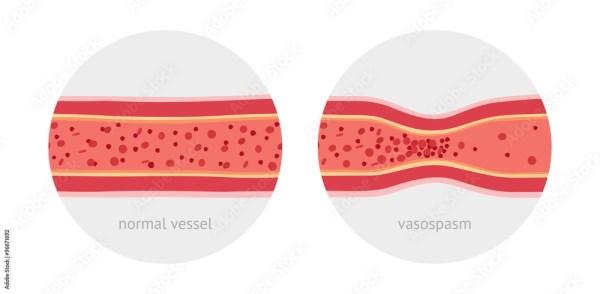
When blood vessels in the brain suddenly narrow – a condition called vasospasm—the consequences can be devastating. Vasospasm ranks among the leading causes of cerebral ischemia, in which there is a lack of blood flow to the brain. The effect of such a condition can be brain injury, particularly it may trigger a stroke. Statistically, about twenty to thirty percent of patients experiencing vasospasm develop delayed cerebral ischemia and infarction, even when narrowing occurs without trauma.

However, the relationship between vasospasm and brain injury is more complex than a simple ‘cause-and-effect’. A July 25, 2025 report from NIH-recognized source Journal of Intensive Medicine, and brought to my attention by an October 17 third party article, found that the post-traumatic vasospasm ranges from 19% – 68%, though many cases go undetected. “Post-traumatic vasospasm is often silent but dangerous,” explains the lead researcher. “Recognizing it early can help prevent secondary brain injury.”

A case documented in the NIH’s PubMed database illustrates both the danger and hope surrounding post-traumatic vasospasm. A 26-year-old man arrived at the hospital with a Glasgow Coma Scale score of just 4 – indicating severe brain injury – after a motor vehicle accident. He underwent emergency brain surgery for bleeding, but while recovering in the intensive care unit, he developed severe vasospasm. Medical monitoring revealed dangerous narrowing of his cerebral arteries. Over three separate days, physicians treated him with intra-arterial infusions of calcium channel blockers, which dramatically improved his arterial diameter by as much as 60%. After 22 days, the vasospasm resolved.

Federal researchers are making progress. A 2024 federally-funded study led by Dr. Rima Rindler at Emory University developed AI machine models that predicted which patients will develop vasospasms with 94% accuracy. Meanwhile, NIH-supported scientists are pioneering detection methods using transcranial ultrasound and biomarkers.

These advances offer hope that this complication may become routinely preventable, potentially saving thousands from permanent disability.