
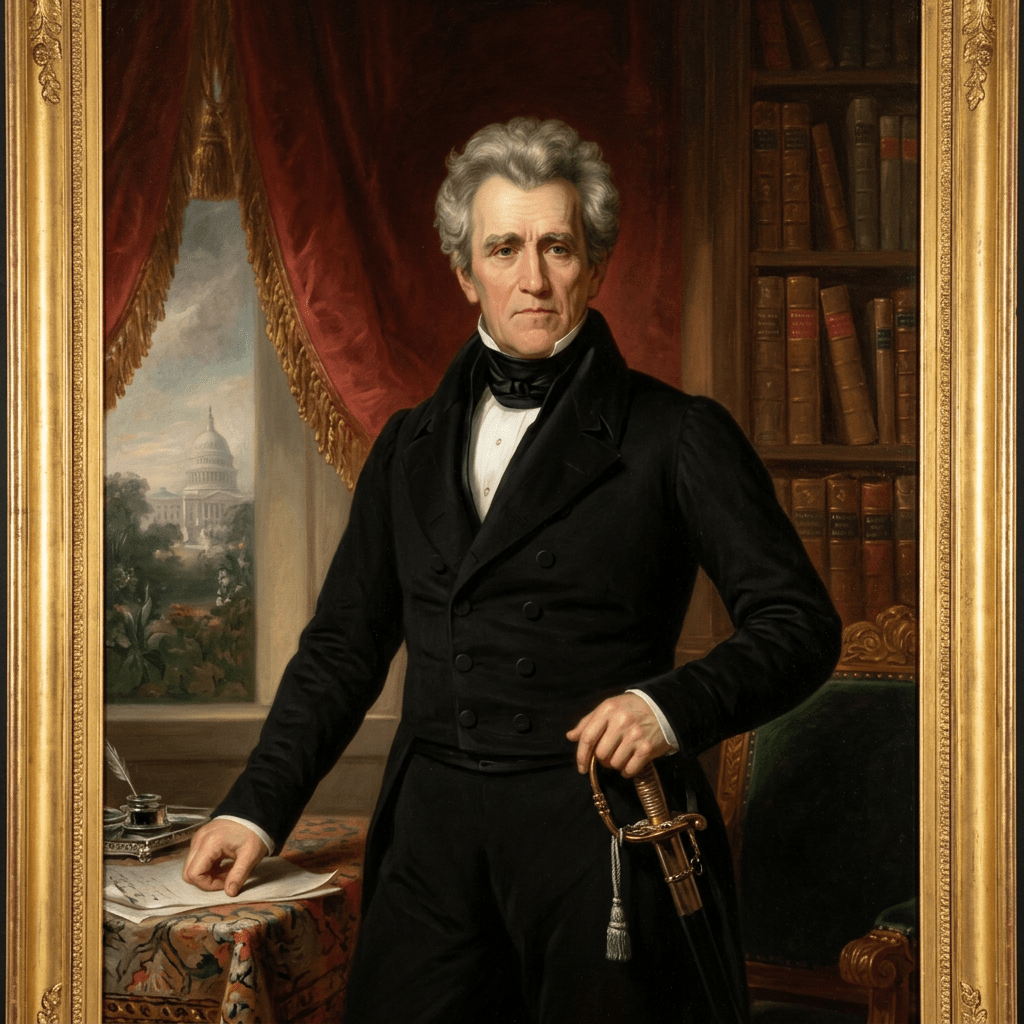
Long before he became the seventh president, 13-year-old Andrew Jackson was a prisoner of war. As America’s last president to have served in the Revolutionary War, he and his brother were captured during the British invasion of the Carolina backcountry in 1781. Jackson was then ordered to clean a British officer’s boots. When he refused, the officer answered with a saber, slashing Jackson’s hand and head.
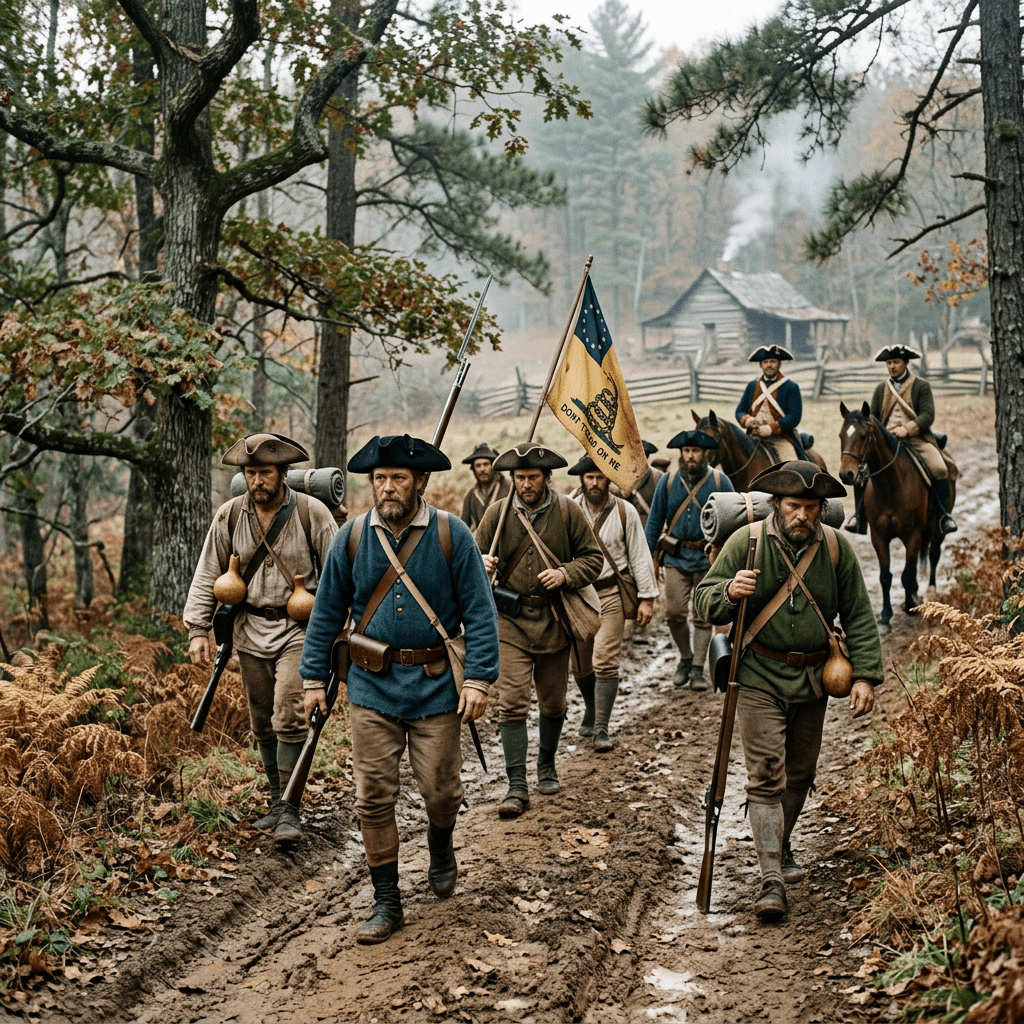
The wound never fully left him. Reports from his friends later stated that they could lay a finger in the dent it left in his skull. In fact, he wore this scar as a badge of freedom rather than a mark of defeat. Historians have long debated what role that early head trauma may have played in the headaches and volatile temperament that shadowed him for life, though no clinical record can say for certain.
This July 4, The Museum of the Waxhaw, in Waxhaw, NC, steps from young Jackson’s refusal, and the resulting wound, honors this moment in American history with a reading of the Declaration of Independence.

