
Badminton is one of the safest recreational sports, but as with all sports, it isn’t risk-free. The 2024 death of six-year-old Lucy Morgan of Stockholm, New Jersey, shows how a freak accident can turn devastating, even for spectators. On June 1, 2024, Lucy was sitting on the sideline when the aluminum shaft of a badminton racquet dislodged from its wooden handle and struck her in the head, piercing her skull. Surgeons operated to reduce brain swelling, but she died from her injuries on June 5, 2024. In August 2026, her parents filed a wrongful death lawsuit against the sports center, alleging the racket was defective.
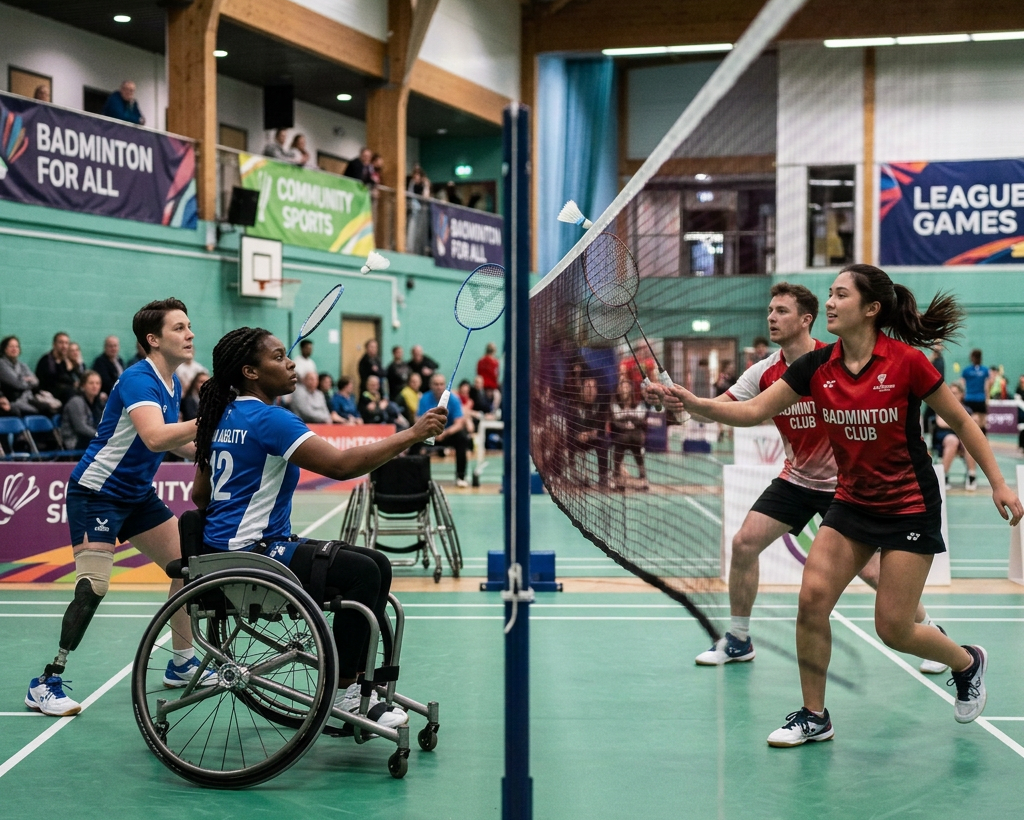
The federal government has long been aware that, as with all sports, badminton can cause injury. In 1990, the National Library of Medicine published a report that found for those who suffered a badminton injury, 1.8 percent had a head injury. Decades later, the government examined the benefits of badminton: in 2022, an NLM-published review of 27 studies that related to “’badminton AND health’ and ‘badminton AND benefits’” The analysis was that “compared with other types of physical sporting activities, badminton offers, for the most part, better outcomes pertaining to the three types of health (physical, mental and social), with benefits also seen for disabled individuals and even in visual health.”
Guidance is consistent about when and to what level a brain-injured individual should begin playing sports again, including badminton, advising that you should only start a sport or exercise once you’ve had medical clearance by a doctor. After that, the recommendation is that you progress slowly, while you enjoy its benefits.

