Yoga Stretches Your Legs to Strengthen Your Mind

It is widely known that, as remarked on by the NIH, “Exercise-based therapies can promote recovery of function and are easily implemented in the clinical rehabilitation setting.”  Since at least the turn of this century, the government has been studying the benefits of a certain type of exercise, yoga, within various segments of the population.  In September, federally-sanctioned National Yoga Awareness Month, one should look at the specific benefits of yoga for those who have suffered a brain injury.

Though there are benefits from the practice of yoga for all individuals, the above-quote comes from a current NIH study regarding the energizing effects of exercise for those with brain injuries.  That study is not set to end until 2022, however the researchers have already discovered, “Very early [post-brain injury] exercise seems to exacerbate brain injury, while later exercise seems to be beneficial.”  (The NIH does not state how one is to determine the appropriate time in one’s recovery to restart it.) Further governmental information is limited as, in a 2012 article titled The therapeutic value of yoga in neurological disorder, the NIH stated that the benefits of exercise for those with many neurological disorders is a “largely unexamined treatment”.

In the meantime, there are known benefits of yoga for the general population, including enhancing one’s quality of life and wellbeing, and benefits specifically for the brain injured/disabled population, such benefits as: strengthening muscle, increasing flexibility, increasing endurance, coping with setbacks, calming an active mind.  Former Rep. Gabby Giffords has remarked that her recovery from brain injury has been though, “Speech therapy. Physical therapy.  And YOGA, too.”

As the government states, “The purpose of this month is to promote the health and benefits of yoga and inspire a healthy lifestyle.”  In celebration, many yoga studios and gyms are offering free yoga classes this month.  Yoga can also be accessed through your television, computer and smart phone.

(Though it may be beneficial, do not fret if you do not begin to exercise or do not continue with your exercise/yoga schedule.  Few people, with a TBI or not, adhere entirely to their workout schedules.  Additionally, the NIH found that, “Injury severity, age and pre-injury exercise history predict adherence to a home-based exercise program in adults with traumatic brain injury.”)

The Importance of PLAY(S)

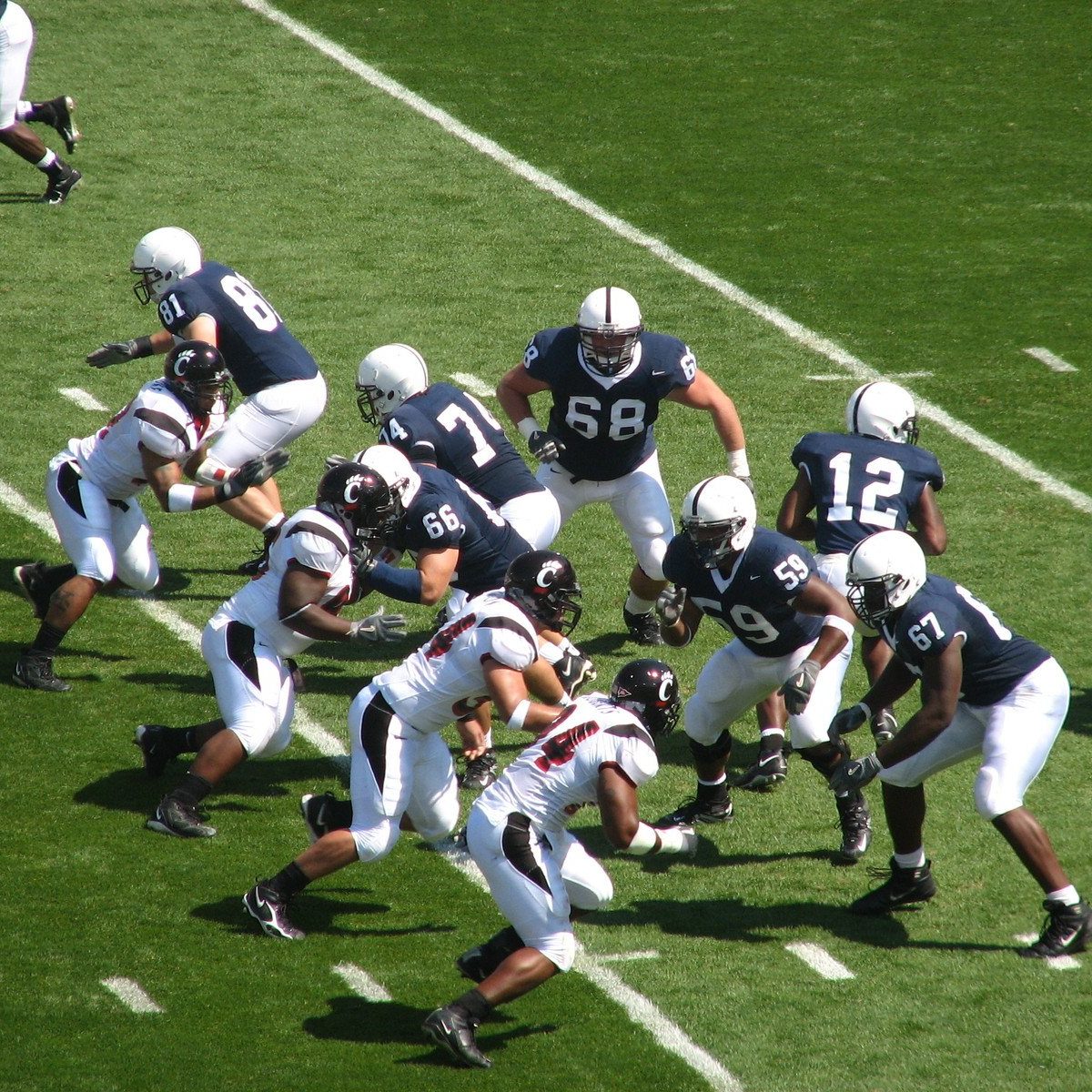
Children generally have more physical energy than their adult counterparts. As a consequence, many participate in youth sports leagues, which not only provide physical activity, but also teach them to work effectively with their peers.  Last year, Senator Capito (WV) proposed Senate Resolution 227 which marked July 16 – 22 as National Youth Sports Week.  According to the bill, the week is, “a celebration of youth sports participation and all of the benefits youth derive from engagement in sports.”

In 2018, “[this] week… thousands of youth sports coaches, athletic directors, recreation directors, association members, sponsors, young athletes, and parents across the country show their support focusing on P.L.A.Y.S. ~ Physical activity, Living healthy, Access, Youth development, Safety.”  While having access to the physical activity and youth development provided by sports, which is a key part of healthy living, is important, the S (safety) should always be included in the celebration.

***The bones of children are still in development and, therefore, weaker.  Additionally, the coating of myelin, neuron fibers, in the brain of youth is still in development.  Because of this, physical injury, including skull injury, is more common and more severe in children, than in adults.  Particularly this can be found in sports, most notably in youth football, youth hockey and youth soccer, but the risk is present in all sports.  (For example, this month, the CDC published an article that identifies brain infection/injury as a rare, but possible result of fresh water swimming.)  Additionally, beyond physical safety, sports may affect the brain psychologically, but this affect can also be positive.  New Jersey, among other states, has a youth sports concussion law, “to help reduce the risk of student-athletes suffering concussion, and its long-term consequences.”  Included as a possible long-tern consequence is a traumatic brain injury.

Investigators Question America’s Football Crisis

People now see football and brain injury as a definite cause-and-effect.  Parents are much more hesitant to allow their school-aged children join the school football team.  In January, for example, laws related to youth football were proposed in Illinois and New York, both named after former NFL players who suffered the effects of CTE (chronic traumatic encephalopathy).  In Illinois, HB4341 was named after Dave Duerson, a former Chicago Bears player who committed suicide in 2011 and whose autopsy showed that he had a brain injury.  Officially known as the CTE Prevention Act (HB4341), the last action on the Duerson Act was on April 27, 2018 when it was referred the Rules Committee.  In New York, A1269A is named after former Baltimore Colts tight-end John Mackey, who showed signs of brain injury prior to his death at age 69.  The John MacKey Youth Football Protection Act is also still in Committee in the State Assembly.  (Notably, the MacKey Act only prevents children 11 years and younger from playing tackle football, not 12 or 13 years as other proposed laws restrict.)

In Maryland, a bill was introduced by Delegate Terri Hill, and failed, that would have changed the rules for youth soccer, lacrosse, hockey and [tackle] football.  (“I really did not expect it to pass, but I think it’s a conversation we have to have and I don’t think the conversation is over,” Hill said.)  In New Jersey, A3760 was introduced by Assemblywoman Valerie Huttle on April 5, 2018 to prohibit children under the age of 12 from participating in tackle football.  After its introduction, it was referred to the Assembly Women and Children Committee, where it sits now.  Last week, AB-2108 failed in the California Assembly, “but before the outrage and the mudslinging and the ‘Save Youth Football’ rallies, [the] resolution pass[ed] unanimously, with 69 co-authors.”

Many proponents of safer/more restrictive youth football cite a recent Boston University study that showed that hits to the head, not concussions, cause CTE.  Hits to the head are thought to be simply a means of defense in football, not just the residual effect of defense, like a concussion.  Therefore, it’s harder to eliminate them while keeping the competitive edge of the sport.  (Getting rid of the tackle part of professional football would be more difficult, but it is still difficult in youth football, without allowing it to become touch football.)

What the safety rules of youth football should be is a good discussion to have, especially now that a Court-appointed Special Investigator has shown that some NFL players who have claimed brain injury did not, if fact, have such neurological problems.  The Investigator found, for example, that a law firm shared by dozens of NFL players purportedly coached the players on how to fail a neurological test.  A review of the post-NFL lives of some players who claimed themselves to be too cognitively impaired to work did, in fact, work – as motivational speakers, coaches, bankers, etc.

However, no one is fully certain about the effects of football on the brain. In April 2018, former 19-year NFL player Brett Favre spoke of whether his forgetfulness was because of he is aging, as he is 48, or, “do I have [the] early stages of CTE?  I don’t know.”  Research and news have made brain injury and football seem to always coincide, so Favre’s personal questioning is understandable.  Just as was noted in this website’s article related to Shaken Baby Syndrome though, the horrific easy answer isn’t always correct.  Whether or not the news about the CTE-football connection affects a state’s or a school district’s decision on whether to continue to offer football, whether schools stricken their football rules, and whether a parent chooses to allow their child to play the sport rests solely on them.

Youth Football “Suits” Up


The Super Bowl may not be until next year, but the drama of football is already surfacing in California, as a “Judge OKs trial for brain-injury suit against Pop Warner.”  Specifically, the mothers claim their sons, who were 22 and 25 years old on their deaths, died as a result of the brain damage caused to them from participation in the Pop Warner Little Scholars, Inc. {PWLS) football league.  (They say that Pop Warner misrepresents its concern for safety when it says, “Pop Warner is the ONLY youth football program (local, regional and national) that sets and enforces a strict AGE & WEIGHT MATRIX that reduces the risk and reality of injuries.”)

In the past few years, the relationship between sports and brain injury has been extensively studied, primarily on the professional level.  However, studies have also been done on youth football players with results that are equally, if not more, troubling considering their still-developing brains.  “In the past 3 years, 47 children have died playing football in the United States.  Others found [that]… 21 out of 66 brains with clear evidence of CTE in males who played contact football when young.”

As terrible as the news about the relationship between youth sports and TBI may be, the solution is not clear.  A Google search shows that many schools are cancelling their football season, both for safety reasons and for fear of lawsuits.  However, a recent article reported parents’ dilemma:  “[We} talked about all of the risks involved with playing football, most notably the risk of concussions and head injuries that carry long-term health concerns. But we also talked about the risks of not letting our son play football. Not only did I not want to be a “dream killer” (no parent does), but I was also hesitant to waiver from a personal parenting philosophy to enthusiastically encourage controlled risk-taking.”

‘There’s Always a Risk’

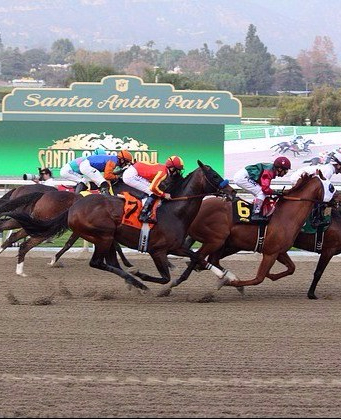
On March 6, one of the jewels of the Triple Crown, the Kentucky Derby, was run.  To coincide with this, on Friday, May 5, NBC did a story about injury and horse racing.  Specifically, the article begins by mentioning Rajiv Maragh, a jockey with 13 years of professional horse racing experience and 13 years of injury to show from it, including a concussion.  The article then speaks more of horse racing and injury.  True, all sports have injury, but horse racing does not have concussion protocol, as other sports do.  Last year, the Jockeys’ Guild and the University of Kentucky announced a three-year study that seeks to bridge this gap.

“I choose to be a jockey and there’s always a risk of danger,” says Maragh.  However, the Guild can learn how to better protect its athletes, as professional sport leagues have done.

Note: While horse racing and government may not seem to be related, most states do have a racing commission that is “responsible for regulating the safety and integrity of the horse racing industry through the conduct of investigations, prosecutions and via regular monitoring.”  Because horse racing is a revenue earner for states, state commissions also focus on ensuring the welfare of the horse.

All-American Head Injury

Though many people outside of the southern and western United States may find this surprising, rodeo, involving such events as roping and barrel racing, is a top sport in America.  Beyond these events, when most Americans think of rodeo, they automatically think of one of its most dangerous events: bull riding.  Bull riding and similarly dangerous events, such as bareback riding and saddle bronc riding, can easily result in physical and cranial harm to the competitor.  Therefore, it seems quite discordant that on Saturday, March 18th, Lubbock, TX is having its 4th Annual Brain Injury Awareness Rodeo.

Protect your brain and put your skills to the test with this fun educational event!” says Lubbock Park and Recreation of the event, open to people 4 ages and older.  In fact, the “rodeo” isn’t actually a rodeo – it is a bike-riding educational event, to be held at Safety City, “a unique kid-sized town where school age children learn hands-on the rules of pedestrian, bicycle and traffic safety.”  In New Mexico, another such children’s “rodeo” event will be happening in Albuquerque.

Although calling the event a rodeo may misconstrue its purpose, the name does give notice to the connection between brain injury and rodeo.  Rodeo is one of the most dangerous of popular sports, with riders ten times more likely to be seriously injured than football players. Earlier this year, for example, a 25-year-old professional bull rider who had numerous concussions and suffered from depression and anxiety, likely signs of chronic traumatic encephalopathy (CTE), committed suicide.

However, as the headline of this article notes, rodeo is an All-American sport.  Therefore, it is often connected to politics.  At the public University of Arizona, Rodeo is a club sport.  At Fall Creek and Houston, TX elementary schools, they just planned a rodeo for their students.  And last February, Sylvester Turner, the mayor of Houston, TX, had a Rodeo Kickoff Breakfast, “to highlight the economic and social impact the Houston Livestock Show and Rodeo has on the city of Houston.”

It is not my place to comment on the legitimacy of Rodeo as a sport, as it is enjoyed by millions and its athletes are aware of its risks.  However, I find it counterintuitive for the government to promote a sport that actually injuries or kills some of its constituents.

10 Seconds to Safety

Combat sports like boxing, wrestling and mixed martial arts, by definition, have a high potential of harming the head and brain.  Because of this, in 1985, the New Jersey State Athletic Control Board (NJSACB) was created to, “protect the safety and well-being of all participants and promote the public confidence and trust in the regulatory process and conduct of public boxing and other combative sport.”   This month, the New Jersey State government approved the testing of a new technology that hopes to make combat sports, well, less combative.  Specifically, NJSACB , which sets the athletic parameters in a state that is home to such combat sports locations as Atlantic City and the Prudential Center, approved the testing of EyeGuide Focus.

EyeGuide Focus, “uses a camera [attached to a headset] to record the action of the athlete’s eyes as they track a cursor that makes a sideways figure 8 on a computer screen.”   Because it is able to track the eye 60 times a second, according to the manufacturer, EyeGuide can detect concussions in only 10 seconds.

This past Saturday, February 18, the eye technology was tested at the Cage Fury Fighting Championships at The Borgata in Atlantic City.  As of February 23, the results of these tests are not available for public view.  On May 20, EyeGuide will again be tested at the Top Rank WBC/WBO Junior Welterweight Championship in Newark.*

* Even though the publicity of this device focuses on the use of EyeGuide Focus in combat sports, EyeGuide has larger applications.  According to the manufacturer, the EyeGuide Focus is affordable, so that it can be purchased for use in a wide variety of settings, from MMA matches to high school sports games (the EyeGuide website has the product listed for purchase at $9,999).

“Play Smart. Play Safe.”


Politics steps aside on Sunday, as Americans celebrate what is essentially a national holiday, of sorts.  At 6:30pm tomorrow, February 5, the New England Patriots will play the Atlanta Falcons in Houston, TX in the 2017 Super Bowl.  Over 110 million viewers  will tune in to watch the game, the halftime show and, of course, the commercials.  (Every year, that number keeps inching closer to the voter turnout.)  However, for Patriots’ fans, there is a looming question: will Nate Ebner, the Special Teams player that suffered a concussion, a head injury, in the AFC championship be on the field?

On January 22, the AFC Championship was held, with the Patriots playing the Pittsburgh Steelers.  It was a victory for the New England Patriots, but not for Ebner, who got a concussion.  Since then, the status of Ebner has been unclear.  Though the Patriots cancelled practice last Wednesday, the roster shows that Ebner would not have been a participant.  On Thursday, January 25, Ebner also sat out.  There are two weeks between the league championships and the Super Bowl, which some see as positive because it gives players an adequate amount of time to “recover” from any injuries.  However, ten days after their win, on February 1, Ebner finally returned to practice, as a limited participant only.

As CBS notes, “Ebner is a fixture on special teams but nothing more.”  Sure, Ebner wants a Super Bowl ring to accompany the Olympic ring he won in rugby six months ago and to accompany the Super Bowl ring he already has, but hopefully he and the team will put that aside.  Ebner and the team need to take the long view.  Maybe he is well enough to play again, but a player’s health and his future ability to help the team is more important than a ring.  As the National Football League’s initiative states, “Play Smart.  Play Safe.”

*** ”With more spotlight on [the] long-term effects [of concussions] to player health, the league instituted protocol to address the diagnosis and management of concussions [in 2009].”  Concussion protocol involves checking for loss of consciousness, slowness in getting up, lack of motor coordination or balance problems, having a blank or vacant look, disorientation and the clutching of one’s head.  Beyond that, there is Return-to-Participation Protocol.

Since instituting these protocols, the rules have been annually updated to add additional protections.  For example, in 2015 rules were instituted, so that there are now medical spotters in the stadium who could, at any time, halt play and remove an injured player.  In 2016, the most important secondary rule was instituted: punishing those who do not follow concussion protocol.  Teams can now be fined $100,000 or more for not following the rule and, “if the commissioner determine(s) a team violated the protocol for a competitive advantage, the team could be required to forfeit a draft pick in addition to fines.”

NHL Commissioner Bettman Denies the Obvious

Hockey is, essentially, thought of as America’s winter sport.  This year, the National Hockey League started its play for the 2016-2017 season, the 100th season of the NHL (99th season of play), on October 12, 2016 with four games in which the Ottawa Senators, the Edmonton Oilers, the St. Louis Blues and the San Jose Sharks won.  Since the teams have already started their season, it is relevant now to look at what the government is doing to support safe play for professional and amateur ice hockey players.

This year, on October 6, four members of the Legislative Committee on Energy and Commerce sent a letter to Commissioner Gary Bettman about the issue of CTE, brain injury, and the NHL.  Specifically, Hon. Frank Pallone, Jr. (D-NJ). Hon. Gene Green (D-TX), Hon. Diana DeGette (D-CO) and Hon. Jan Schakowsky (D-IL), wrote to Bettman, “to request information on the National Hockey League’s (NHL) policies and procedures for the prevention and treatment of concussions and related head injuries…. [as] there is significant scientific evidence to support a link between the types of concussive and subconcussive hits inherent to the game of hockey and brain injury.”  (It seems evident to me that having your head hit repeatedly thoughout the season will result in head trauma.)  The Committee members also noted that participation in contact sports as a youth may increase the likelihood of developing CTE.

In response, on October 24, Bettman wrote a letter to the Committee that stated the National Hockey League/National Hockey League Players’ Association is very concerned about the health of its players.  Prior to this season, for example, the NHL updated its concussion protocol so that it is now mandatory to remove an athlete from play if the coach sees that the player has been physically or neurologically hurt and to then get the player evaluated by a certified athletic trainer.  However, the Committee says that Bettman’s letter of response sounds, “a little bit like the tobacco industry, when it comes to linking concussions with Chronic Traumatic Encephalopathy (CTE).”

Ironically though, just as there are some Congress members who are smokers, annually there is a Congressional Hockey Challenge.  Begun in 2009, “The Congressional Hockey Challenge is a 501(c)(3) organization committed to ensuring that the incredible and dynamic sport of ice hockey is accessible to everyone who wants to play.”  On the Congressional games website, one can note that the game is played for lawmakers’ enjoyment, yes, but also to benefit charity.  This year, the game was played on March 2nd and had five Congressmen on the ice.  Even Bettman, who criticizes Congress, as the above paragraph notes, attended the event in support of the team and the cause.

Personally, just as I believe should be true for all other sports, I do not believe it should be the role of Congress to determine the rules of professional sports, especially one that they enjoy themselves.  Education is the key.  Players need to be informed, by the team and by former players who have suffered the horrible lasting effects of brain injury, of the possible consequences of violent defense in the game and post-game fights.  More so, the National Hockey League needs to fully enforce its concussion/head injury rules.

“Concussion. Oh, oh!” says Trump

Beyond commenting on the “softening” of the NFL, Donald Trump, the Republican candidate for President has essentially ignored those with brain injury during his campaign.  Last week in Florida, though, Donald Trump spoke of brain injury at a rally in Florida when, “a woman who had fainted [during a Trump rally]… returned to the crowd.”  Commenting on her return, Trump said, “That woman was out cold, and now she’s coming back.”  While there is nothing wrong with that statement, he then returned to a topic he spoke of earlier in his campaign: namely, he spoke of the “softening” of the NFL, with its new post-concussion regulations.

Through continual blows to the head, NFL players are prone to CTE (chronic traumatic encephalopathy).  Harry Carson, a former Hall of Fame linebacker for the New York Giants who developed CTE, said in response to Trump’s views, “Once the brain is injured, you [can] never recover… So to make light of it, there’s a certain amount of ignorance that’s there.”  Carson also noted that many children look up to and try to imitate the actions of NFL players, which may lead to concussions and other brain injuries in them.

Political commentators always note when a candidate changes his or her views on a topic.  Trump, however, has stayed consistently pro-neurological disorder on this subject.  This opinion, though, expresses a disregard for Americans, merely for his entertainment.