
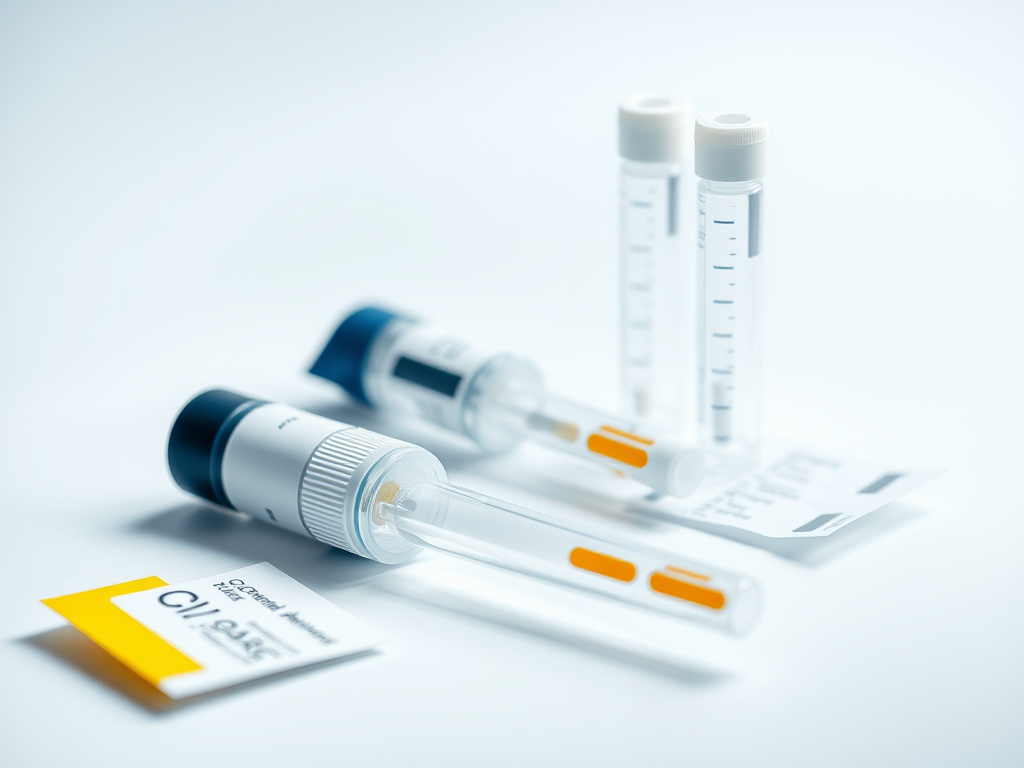
A simple spit test may soon revolutionize how doctors diagnose brain injuries. Researchers have known for years that saliva contains biomarkers indicating brain injury. In January 2026, University of Waterloo in Canada unveiled HeadFirst, a portable saliva-based device that works much like a COVID test – two lines indicate a concussion, one line means negative. According to the report, this new low-tech innovation is currently at the pre-clinical trial.
The mission is clear: “Leave no concussion undetected.” “What we’re doing is adding the first objective test into the toolkit of athletic and health care professionals,” said Andrew Cordssen-David, HeadFirst CEO. The new technology detects biomarkers that cross the blood-brain barrier into saliva within minutes of injury.
Currently, no saliva concussion test has FDA approval, though several companies are preparing submissions. With studies showing 92-94% accuracy, these non-invasive diagnostics could transform sideline assessments in sports and combat zones alike.
* TBIontheHill first reported on the government’s investment in brain injury detection devices in 2017. At that time, Abbott Laboratories was developing of i-STAT, a mobile device that could detect brain injury. Since that time, U.S. government agencies have remained heavily invested in concussion detection. The National Institutes of Health awarded $2.3 million to Quadrant Biosciences for developing saliva-based microRNA tests, while the Department of Defense mandated baseline cognitive assessments for all military recruits starting January 2025.







 TBI on the Hill