HIV Drug Unlocks Brain’s Hidden Healing Power

It may seem counterintuitive, but the injured brain can heal itself too much, medically known as maladaptive neuroplasticity.Imagine now if your brain had a built-in safety switch that prevented this. Scientists have discovered that’s exactly what happens with a protein called CCR5 – a cellular receptor that acts like a biological brake and the loss of which can result in memory loss and impairing recovery after brain trauma.

Maraviroc is a prescription antiretroviral medication originally developed to treat HIV by blocking the virus from entering cells through this same CCR5 receptor. Specifically, the drug works by preventing certain HIV strains from infecting immune cells when used alongside other HIV medications.

As an HIV drug, it was already known to improve neurocognitive functioning. The medication enhances the brain’s natural ability to repair and rewire itself, a capability that would also be greatly impactful for those with brain injuries. In fact, research into TBI and CCR5 on the NIH site shows that studies have spanned nearly a decade, with promising results. For example, multiple studies have shown that “maraviroc blocked CCR5 in mice and boosted the animals’ recovery from traumatic brain injury and stroke.” Dr. S. Thomas Carmichael at UCLA remarked about this connection, stating “this is the first time that a human gene has been linked to a better recovery from stroke.”

Real-world impacts of this treatment are emerging. The story of Debra McVean, featured in a New York Times article on September 4, 2025, documents how she participated in a clinical trial of maraviroc after suffering a stroke that paralyzed her left side. A month later, her neurocognitive skills had healed to the point that she could initiate movement in her fingers.

Computer Vision Reveals Covert Consciousness

A study, completed in late August 2025 (https://pubmed.ncbi.nlm.nih.gov/40835724/), has validated SeeMe, a computer vision tool that could transform how doctors assess consciousness in comatose brain injury patients. The research from Stony Brook University, started in 2019, demonstrates that SeeMe can detect subtle facial movements indicating awareness days before clinicians recognize recovery signs.

SeeMe uses high-resolution cameras to track facial pore movements with sub-millimeter precision, analyzing responses to voice commands like “open your eyes” or “stick out your tongue.” In tests, the system consistently detected eye-opening responses several days earlier than clinical examination and identified consciousness in significantly more patients compared to standard bedside assessments.

These tests show that this new technology addresses a critical gap in patient care, as many brain injury patients may be covertly conscious despite appearing unresponsive. These micro-movements, invisible to the human eye, correlate with better recovery outcomes and can inform crucial treatment decisions.

Researchers plan to integrate SeeMe with brain monitoring technologies like EEG (electroencephalogram) to develop comprehensive consciousness assessment tools. The hope is that this system could guide rehabilitation timing, facilitate family discussions, and potentially enable communication interfaces for patients previously thought unreachable. As a healthcare advances, SeeMe represents a significant step toward more precise, objective neurological assessment.

2025 NIH Studies Reinforce Benefits of Yoga & Mindfulness for Brain Injury Survivors

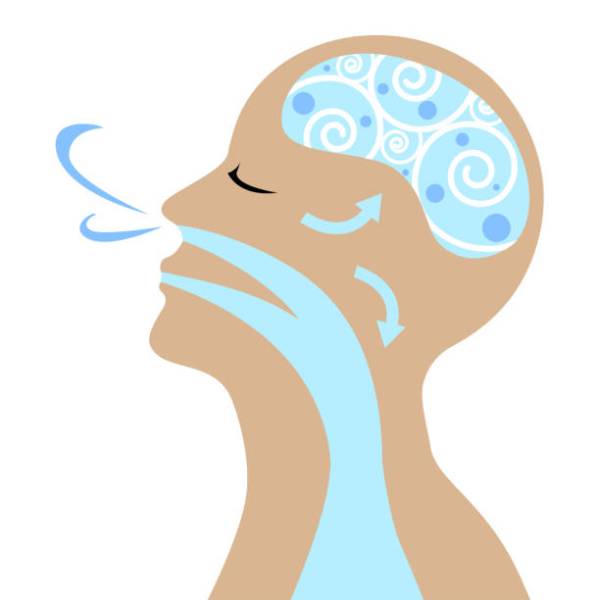
Yoga and mindfulness serve as complementary practices that enhance both physical and mental well-being through integrated approaches combining movement, breath awareness, and present-moment attention. TBI of the Hill reported in 2018 that the federal government designated September as Yoga Awareness Month beginning in 2008. Since that time, the NIH research has continued to expand on the understanding of these therapeutic interventions for brain injury survivors.

Recent studies demonstrate sustained scientific commitment to mindfulness-based approaches for neurological recovery. On June 27, 2025, the NIH published a study, “Acceptability of a Brain-Injury-Tailored Yoga and Meditation Program Among Female Patients with Concussion.” In February of this year, another NIH research showed “mindfulness-based stress reduction as perceived by individuals with pathological mental fatigue after an acquired brain injury” provides essential coping mechanisms for survivors managing chronic fatigue and cognitive challenges. Current investigations also examine barriers to “adopting mindful medicine among physicians,” indicating growing clinical acceptance within medical communities.

The ongoing research validates earlier findings about yoga’s effectiveness in managing post-injury emotional regulation difficulties and neurological symptoms. These evidence-based studies offer hope for developing standardized rehabilitation protocols within medical settings.

The practice’s widespread cultural acceptance transcends political boundaries. Current HHS Secretary Robert F. Kennedy Jr.’s family embraces yoga traditions through his granddaughter’s enthusiasm for the practice, while commercially available yoga mats feature Kennedy, Trump, and former President Obama—himself a known mindfulness practitioner who demonstrated these principles throughout his presidency.

As NIH research continues, these studies provide crucial foundations for integrating yoga and mindfulness interventions within rehabilitation medicine, potentially transforming recovery outcomes for brain injury survivors nationwide.

Preventing Delirium & Death with Dexmedetomidine

Studies show dexmedetomidine can dramatically help brain injury patients by cutting death rates nearly in half and speeding recovery. As reported on nature.com on August 22, 2025, and studied and published by the National Institute of Health for years, this medication works by calming the brain’s stress response and reducing harmful inflammation that worsens brain damage.

Dexmedetomidine is a non-opioid sedative drug that keeps patients comfortable without suppressing their breathing like other medications. Rather than just helping in the early days, research shows patients benefit throughout their entire hospital stay, with longer treatment providing even greater protection.

Delirium—a dangerous state of confusion that’s very common in brain injury patients—significantly increases the risk of death and complications. Remarkably, dexmedetomidine prevents delirium in many patients, which explains much of why it saves lives.

Unsurprisingly, there are concerns, though. Specifically, dexmedetomidine temporary drops the heart rate and blood pressure, therefore requiring careful monitoring by medical staff.  Based of all this information, dexmedetomidine appears to be a potent treatment for some, but not all, brain injury patients.

Bipartisan Effort to Eliminate Unhealthy Food Benefits the Brain

Ultra-processed foods (UPFs), industrially manufactured products containing ingredients rarely used in home kitchens, such as emulsifiers, artificial colors, flavors, preservatives, and stabilizers, has been at the forefront of the federal Department of Health and Human Services in 2025. These foods undergo extensive processing and include products such as packaged snacks, frozen meals, sodas, processed meats, hot dogs, chips, candy, ice cream, instant noodles, ready-to-eat cereals, packaged baked goods, and more. 

Health experts and the federal government have been particularly concerned about UPFs’ impact on brain injury, related to both tbi recovery and stroke risk, for years.  According to research, a 10% increase in UPF intake raises cognitive impairment risk by 16% and stroke risk by 8-15%. Not only do UPFs not “trigger our normal satiety” but an 10% increase in UPF intake raises cognitive impairment risk by 16% and stroke risk by 8-15%. Research shows higher UPF consumption was associated with a 28% faster rate of cognitive decline and 25% faster executive function decline. They can also negatively impact recovery by disrupting the brain’s ability to heal and create new neural pathways.  As they increase inflammation and impair recovery, all brain injury patients are advised to avoid these foods.

The Trump administration has worked to create the first federal definition of ultra-processed foods through a joint request for information from the Agriculture Department, Health and Human Services, and FDA. HHS Secretary Robert F. Kennedy Jr. has made UPFs central to his “Make America Healthy Again” movement, calling them harmful to public health and advocating for reduced consumption through education campaigns. In July 23, 2025, the FDA, in conjunction with the USDA and HHS, released a report stating, “Dozens of scientific studies have found links between the consumption of foods often considered ultra-processed with numerous adverse health outcomes, including… neurological disorders.”

Democrats generally haven’t contradicted these positions on UPFs. For example, in January 2025, California Governor Newsom issued an executive order to crack down on ultra-processed foods, demonstrating bipartisan concern about these products.

(Criticism of MAHA tends to focus on implementation approaches rather than the underlying goal of reducing UPF consumption, showing shared recognition of the importance of nutrition policy for brain health and stroke prevention.)

Professor Honored by Military for Groundbreaking TBI Research

Mary Jo Pugh, PhD, RN, a University of Utah epidemiology professor, recently earned national recognition with an Outstanding Research Accomplishment Award from the 2025 Military Health System Research Symposium. Reported on Monday, August 18 by the University, she is one of only two investigators nationwide to receive this honor. Pugh was celebrated for her pioneering work uncovering the long-term consequences of traumatic brain injury (TBI) in veterans.

Pugh leads critical research for the Department of Defense and VA, directing the Data and Biostatistics Core for LIMBIC-CENC, the Long-Term Impact of Military-Relevant Brain Injury Consortium – Chronic Effects of Neurotrauma Consortium (www.limbic-cenc.org/). Her work has revealed previously unknown connections between TBI and conditions like dementia, cardiovascular disease, and cancer. By integrating VA and DoD health data, Pugh’s research helps identify veterans at highest risk for complications, paving the way for preemptive interventions and improved care for those who served.

Forget Mild, Moderate, Severe: Meet the New Brain Injury Playbook

A revolutionary change in brain injury classification is emerging from research conducted by the National Institute of Health (NIH) and experts from 14 countries. After 51 years of relying on a single assessment tool, the medical community is implementing the new CBI-M framework, which promises more accurate diagnoses and better treatment outcomes for millions of patients worldwide.

The Glasgow Coma Scale (GCS) has been the gold standard for traumatic brain injury (TBI) assessment since 1974. This system evaluates three areas: eye response, verbal response, and motor response, generating scores from 3-15. Based on these scores, injuries are classified as mild (13-15), moderate (9-12), or severe (3-8). While simple and widely used, the GCS only captures consciousness levels at the time of injury, missing crucial details about brain damage and recovery potential.

The new CBI-M (Clinical, Biomarkers, Imaging, Modifiers) framework, developed through NIH’s National Institute of Neurological Disorders and Stroke initiative, expands assessment far beyond immediate symptoms. As widely reported in May 2025, research led by Dr. Geoffrey Manley of the University of California San Francisco (UCSF) has resulted on a new clinical pillar, which retains GCS scores but adds detailed neurological assessments including amnesia presence and symptom documentation. The biomarker pillar uses blood tests to detect brain tissue damage objectively, while advanced imaging through CT and MRI scans reveals structural injuries. The modifier pillar considers pre-existing conditions, injury mechanisms, and environmental factors affecting recovery.

Both systems use clinical assessment as their foundation, but CBI-M provides multidimensional characterization where GCS offers only basic severity categories. UCSF experts note that CBI-M’s comprehensive approach can potentially reveal that some “mild” injuries are actually complex cases requiring intensive treatment.  Conversely, it may give those with a low GCS score more hope in recovery.

Importantly, NIH research indicates the CBI-M framework can benefit individuals diagnosed years ago, potentially revealing previously overlooked aspects of older injuries and leading to better-tailored treatments for chronic TBI symptoms.

2025 CDC Youth Football Safety Report

A CDC’s August 2025 report, Comparing Head Impacts in Youth Tackle and Flag Football, reiterates five key recommendations stated in 2021: expand flag football programs, reduce contact practices, enforce helmet-to-head penalties, teach proper tackling techniques, and provide comprehensive safety education. The research shows youth tackle players sustain 15 times more head impacts than flag football athletes.

These findings echo longstanding government concerns about youth football safety, that this website has noted since 2018. While the CDC’s rules remain sound, the persistence of these same conclusions suggests it may be time for more decisive action to accelerate the adoption of safer practices nationwide. (Some have recommended regulatory standards, funding incentives, or policy mandates, but others note concerns about overreach.)

Comparing Head Impacts in Youth Tackle and Flag Football (8/4/25): https://www.cdc.gov/traumatic-brain-injury/data-research/comparing-head-impacts/index.html#cdc_report_pub_study_section_2-more-efforts-needed-to-prevent-head-impacts-during-youth-football-games

Copper Oxide Promises New Recovery Hope

Scientists have discovered a promising new way to help people recover from traumatic brain injuries. Researchers created tiny scaffolds loaded with a special copper compound that showed amazing results in laboratory studies. These scaffolds helped reduce brain swelling, prevented brain cells from dying, and improved both movement and thinking abilities.

One might think copper is just copper, but there’s an important difference between regular copper metal and copper oxide. Regular copper is the shiny, reddish-brown metal you see in pennies and wires. Copper oxide is what forms when copper mixes with oxygen from the air. There are actually two types of copper oxide: one that’s reddish-brown and one that’s black. Only the black type, called copper(II) oxide, helps with brain injuries.

According to 2025 research published on the NIH website, “CuO@PG scaffolds significantly reduce neuronal pyroptosis (a form of programmed cell death), alleviate brain swelling, and improve motor and cognitive functions in animal models.” The treatment works best when given six hours after the injury.

However, copper can be a double-edged sword. While too little copper hurts the brain’s ability to heal, too much can be toxic. As NIH research explains, “copper accumulation in the brain following TBI exacerbates neuronal injury.” That’s why controlled delivery is crucial for safety.

New Study Reaffirms Role of IL-33 in Recovery

A groundbreaking study, published by the NIH and reported on by the Military Medical Research Journal in August 2025, has shed new light on how our brains respond to injury, focusing on a protein called IL-33 that acts as the body’s internal alarm system.

When brain cells are damaged—whether from a traumatic injury, stroke, or repeated mild impacts like those seen in contact sports—they release IL-33 as a distress signal. This protein, known as an “alarmin,” alerts the immune system that something is wrong.

The August 2025 research, conducted in both mice and humans, revealed that IL-33 plays a crucial protective role after brain injury. The study found that when IL-33 levels drop following repetitive mild brain trauma, cognitive problems—like memory loss and difficulty thinking clearly—become significantly worse.

Here’s how it works: IL-33 helps special immune cells called microglia (the brain’s cleanup crew) remove harmful debris and damaged proteins that accumulate after injury. When IL-33 is functioning properly, these cleanup cells work efficiently to clear away toxic buildup, particularly a problematic protein called amyloid-beta.

The researchers discovered that supplementing IL-33 levels through nasal administration dramatically improved brain function and cognitive recovery in injured animals. This finding offers hope for developing new treatments for people suffering from brain injuries, potentially helping millions recover more effectively from trauma-related cognitive decline.

Decreased IL-33 in the brain following repetitive mild traumatic brain injury contributes to cognitive impairment by inhibiting microglial phagocytosis: https://pubmed.ncbi.nlm.nih.gov/40764944/