Internasal Exploration of Brain Injury Treatment

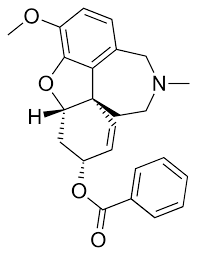
Zunveyl (benzgalantamine) tablets are used to treat Alzheimer’s, FDA-approved in July 2024. Through a $750,00 grant, awarded by the Department of Defense AMRMC, Army Medical Research and Material Command to Alpha Cognition, the manufacturer behind Zunveyl, has since been exploring its additional treatment possibilities. In a January 8, 2026 press release, CEO of Alpha Cognition CEO Michael McFadden stated, “We are exploring Zunveyl and its effect on cognitive impairment with mild Traumatic Brain Injury [for which there no current FDA-approved treatment].”

The scientific rationale behind Zunveyl, not as a tablet, but as an internasal formation, for brain injury centers on acetylcholine* disruption following a TBI. Studies have shown that this delivery system achieves 10-fold higher brain concentration compared to oral administration.

*Acetylcholine is a neurotransmitter that relays signals between nerves and muscles for voluntary movement, triggering muscle contraction at the neuromuscular junction; it also plays crucial roles in the brain for learning, memory, attention, and in the autonomic nervous system for functions like heart rate, digestion, and breathing, acting as both an excitatory and inhibitory messenger depending on the receptor

Federal Funding Advances “Holy Grail” of TBI Diagnosis

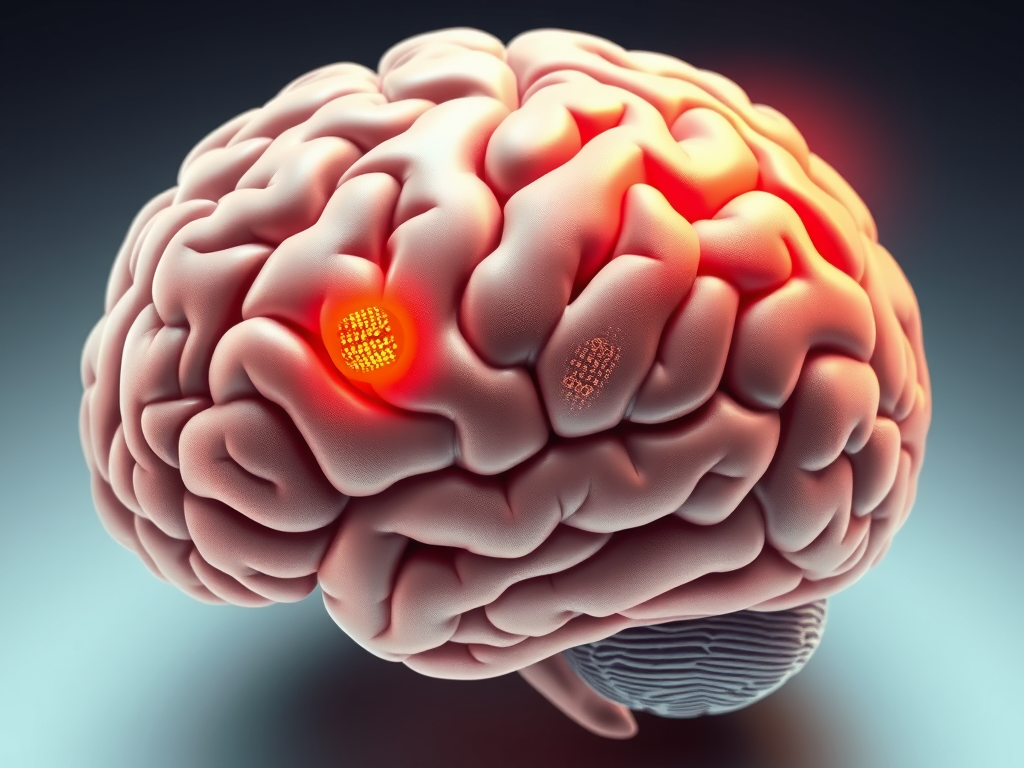
A Boston company developing a non-invasive way to detect dangerous brain swelling after traumatic brain injury has received $5.5 million in federal funding from the NIH Blueprint MedTech Program and Department of War’s Joint Warfighter Medical Research Program.

This new non-invasive technology, CranioSense, uses a forehead patch and clip-on sensors to detect elevated pressure without surgery and could transform TBI emergency care. Currently, measuring intracranial pressure – which if elevated can cause brain damage, coma, or death – requires drilling into the skull. This limits testing of brain swelling to only the most critical patients, meaning only approximately 2% of TBI patients ever have their brain pressure measured.

A retired U.S. Army Special Operations Command consultant called the new technology “a ‘Holy Grail’ of prolonged casualty care” that addresses “one of the biggest gaps in monitoring critical casualties.”

The December 2025 grants will support device development and validation ahead of FDA approval. If cleared, the system could make brain pressure assessment “as routine as blood pressure measurement” in emergency rooms, on battlefields, and at accident scenes – catching dangerous swelling early when intervention can save lives.