Brain Injury Detection Goes Low-Tech

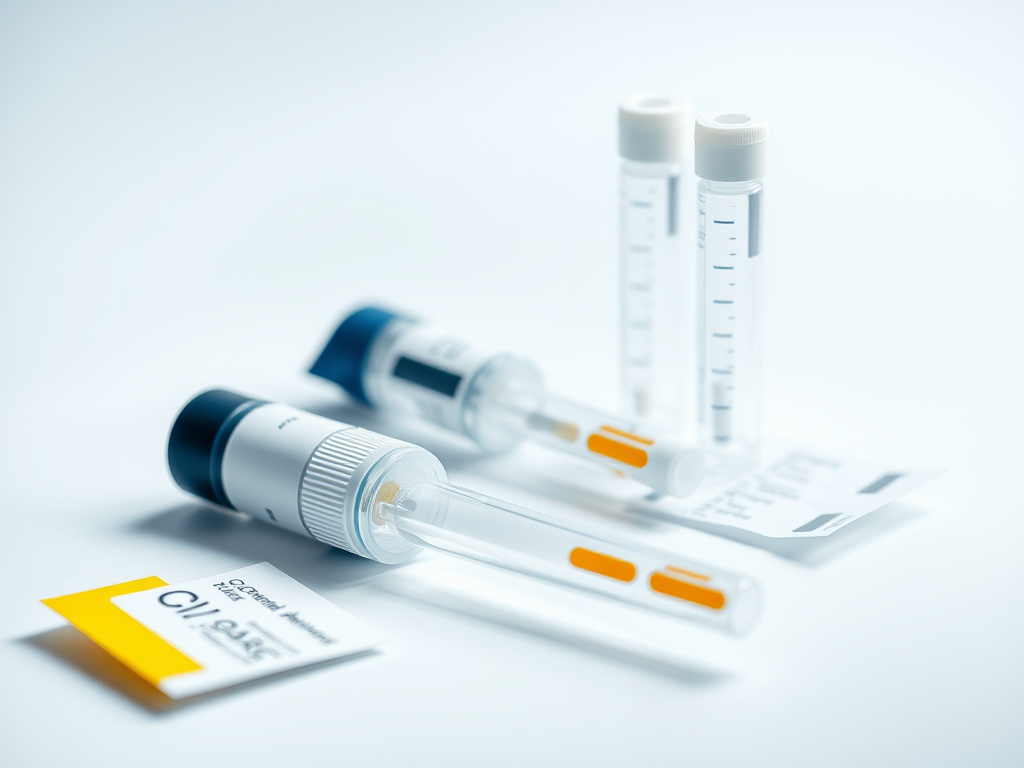
A simple spit test may soon revolutionize how doctors diagnose brain injuries. Researchers have known for years that saliva contains biomarkers indicating brain injury. In January 2026, University of Waterloo in Canada unveiled HeadFirst, a portable saliva-based device that works much like a COVID test – two lines indicate a concussion, one line means negative. According to the report, this new low-tech innovation is currently at the pre-clinical trial.

The mission is clear: “Leave no concussion undetected.” “What we’re doing is adding the first objective test into the toolkit of athletic and health care professionals,” said Andrew Cordssen-David, HeadFirst CEO. The new technology detects biomarkers that cross the blood-brain barrier into saliva within minutes of injury.

Currently, no saliva concussion test has FDA approval, though several companies are preparing submissions. With studies showing 92-94% accuracy, these non-invasive diagnostics could transform sideline assessments in sports and combat zones alike. 

* TBIontheHill first reported on the government’s investment in brain injury detection devices in 2017. At that time, Abbott Laboratories was developing of i-STAT, a mobile device that could detect brain injury. Since that time, U.S. government agencies have remained heavily invested in concussion detection. The National Institutes of Health awarded $2.3 million to Quadrant Biosciences for developing saliva-based microRNA tests, while the Department of Defense mandated baseline cognitive assessments for all military recruits starting January 2025. 
Critics Likely Magnify Clinton’s Health Issues

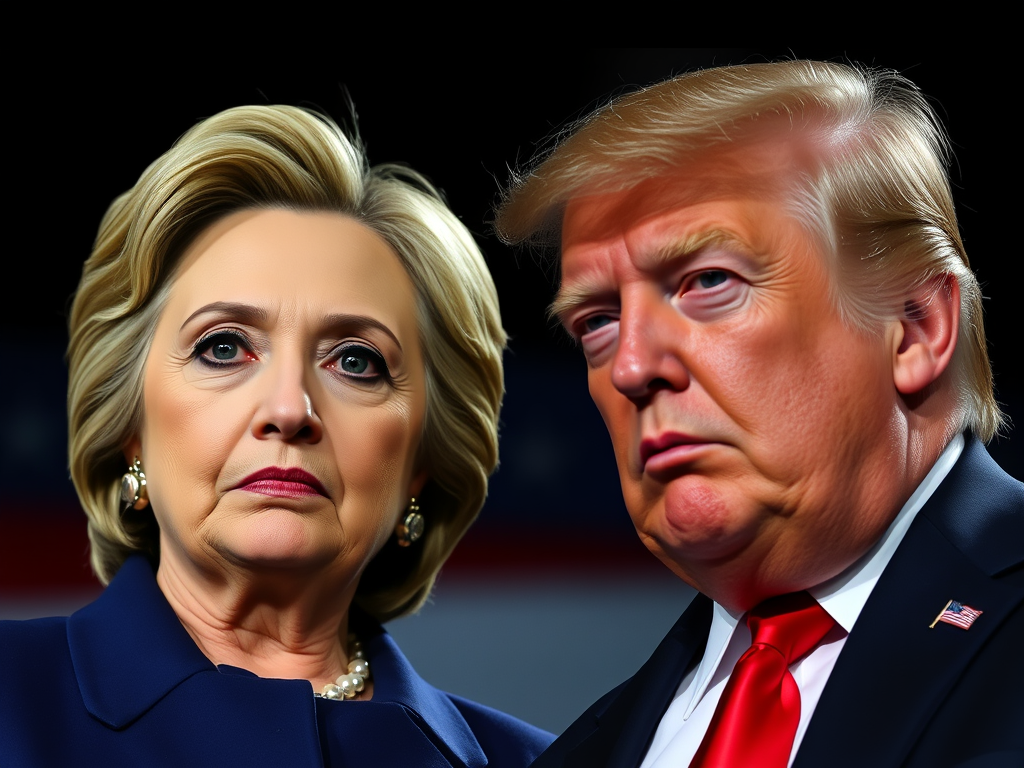
In late 2012, Hillary Clinton suffered a concussion because of a reported fainting spell. A few weeks later, a blood clot was found near her brain.  (Her doctors stated that her blood clot has had no neurologically effects.)  These are two things that one hopes to never happen to them; however, concussions do happen to 3.8 million people annually, according to CDC estimates.  A concussion is a mild brain injury.  Her husband, Bill, said that it took Hillary six months to fully recover.  Bill Clinton’s statement is likely true, though no one knows how Bill defines “fully recovered”, as this time table is more akin to the recovery time for a mild stroke.  Mild brain traumas, such as concussion, usually resolve themselves in 2-3 weeks, with full recovery sometimes taking up to 3 months.

Since her campaign began, critics have been doggedly trying to find signs that Hillary Clinton is neurologically unable to handle the job of Commander-in-Chief.  There was much talk about the fact that she stepped off the stage during the commercial break of a Democratic debate and did not return until after the debate had re-started.  My initial thought was that she needed to take a restroom break.  Even though many newscasters had the same conclusion, others followed Donald Trump’s lead by reporting that she had to step away because she was neurologically overwhelmed.  There was talk in the news about her long coughing lapses – in February, during cold weather – being signs of neurological problems.  Donald Trump has stated, “Hillary Clinton does not have the stamina… does not have the strength to be President.  You watch her life… [then] she’ll go away for three, four days…”

A known journalist even wrote, “Hillary still suffers from … blinding headaches, exhaustion, insomnia, and a tremor in her hands.”  This journalist is Ed Klein, who also wrote a book about the Clinton’s that has since largely been discredited.

Please, if one is to say that Mrs. Clinton is not fit to be Commander-in-Chief of this nation, use her political views as the reason, not a manufactured health issue.

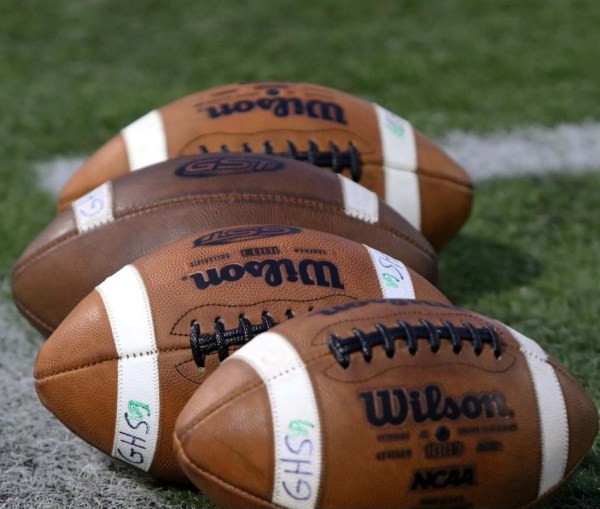
Football: The Government Gets Into The Game

This past year, special attention has been given to the link between football and brain injury, particularly in the NFL.  For good reason, this past season, the incidences of concussion in the NFL rose by 58% – from 182 to 271.

The National Institute of Health, in association with Boston University, studied the brains of 91 deceased NFL players, finding that 96% of them had some form of brain injury – a stunning number, but not surprising from a sport that is rife with head-to-head defensive collisions.

Naturally, “The NFL rejects the allegations,” said NFL spokesman Brian McCarthy.  In fact, the NFL initially offered to donate $30 million to fund this study – perhaps to surreptitiously sway the findings.  However, when they found that Robert Stern, Boston University researcher and an expert on the link between football and TBI, was leading the study, the NFL dropped its promised donation.

What I do not understand is how the NFL can deny the magnitude and relevance of these statistics, especially in a study of now deceased players.  They also say that Mr. Stern was biased.  Personally, I do not understand how the NFL can claim someone can be biased on a study that relies on statistics.  Furthermore, Mr. Stern may have personal feelings about the link between brain trauma and football, but I do not believe, as an expert in the field, he would sacrifice accuracy for point of view.

Lastly, I do not think that there is a person in this country who, if asked, does not have an opinion on football and its potentially negative effects.