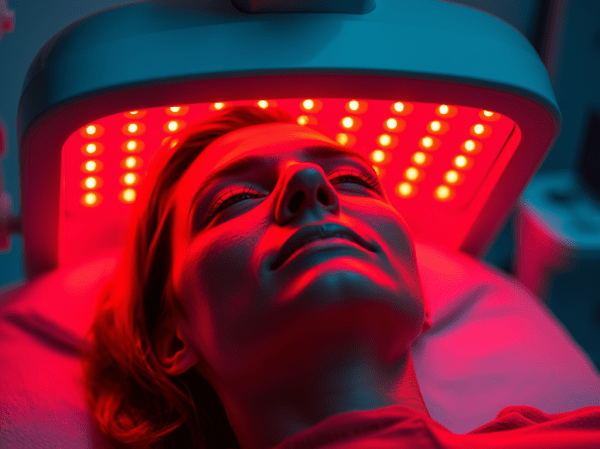
Not Your Average Light Bulb Moment: Red Light Therapy Promising for Brain Injury Treatment

On January 23, 2026, the Journal of Neurotrauma reported on a form of preventative treatment for CTE, and other forms of brain injury: near-infrared light therapy. According to the article, this form of therapy, also known as photobiomodulation, “shines powerful near-infrared light at the brain through the skull, may be able to prevent or reduce subtle damage to the brain before symptoms start, by reducing brain inflammation caused by repetitive impacts.”  

While infrared light therapy may be lesser-known, reports show that the red light therapy and its benefits have, in fact, been known and ongoing for over a decade. Studies indicate this non-invasive, home-based therapy improves cognition, reduces PTSD symptoms, and increases cerebral blood flow by stimulating mitochondrial functio. 

Athletes who received this infrared light show significant reductions in markers of neuroinflammation and axonal stress compared to their pre-season baseline, suggesting the therapy preserves neural integrity. Dr. Carrie Esopenko, associate professor of neurology at University of Utah that, along with NYU, is running a four-year government-funded study on the treatment, hopes “the results will help keep athletes healthy across all sports” while ensuring families “can participate in sports safely for the long term.” Boston University Medical Campus is also investigating transcranial photobiomodulation (tPBM) using red and near-infrared LED devices to treat chronic traumatic brain injury (TBI) and PTSD.
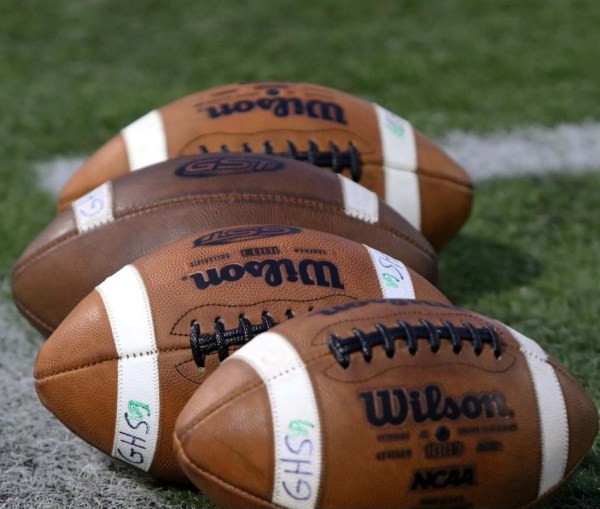
Football: The Government Gets Into The Game

This past year, special attention has been given to the link between football and brain injury, particularly in the NFL.  For good reason, this past season, the incidences of concussion in the NFL rose by 58% – from 182 to 271.

The National Institute of Health, in association with Boston University, studied the brains of 91 deceased NFL players, finding that 96% of them had some form of brain injury – a stunning number, but not surprising from a sport that is rife with head-to-head defensive collisions.

Naturally, “The NFL rejects the allegations,” said NFL spokesman Brian McCarthy.  In fact, the NFL initially offered to donate $30 million to fund this study – perhaps to surreptitiously sway the findings.  However, when they found that Robert Stern, Boston University researcher and an expert on the link between football and TBI, was leading the study, the NFL dropped its promised donation.

What I do not understand is how the NFL can deny the magnitude and relevance of these statistics, especially in a study of now deceased players.  They also say that Mr. Stern was biased.  Personally, I do not understand how the NFL can claim someone can be biased on a study that relies on statistics.  Furthermore, Mr. Stern may have personal feelings about the link between brain trauma and football, but I do not believe, as an expert in the field, he would sacrifice accuracy for point of view.

Lastly, I do not think that there is a person in this country who, if asked, does not have an opinion on football and its potentially negative effects.