Chewing Gum’s Surprising Brain Benefits Come with Caution

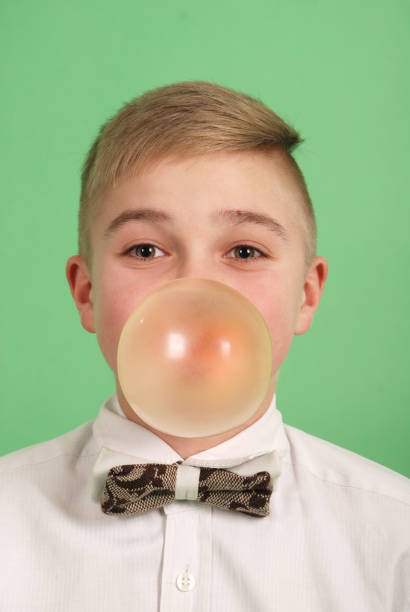
In 2026, publications from The Economics Times to National Geographic, have reported on the unexpected benefits of chewing gum. The U.S. government has a long-released study that confirms this.  Nearly 30 years ago, the NIH published a study that found, “[Chewing] increased regional cerebral blood flow in the primary sensorimotor areas by 25-28%, in the supplementary motor areas and insulae by 9-17%, and in the cerebellum and striatum by 8-11%.” (Cerebral blood flow activates the hippocampus, critical for memory, and reduces stress hormones by 16%.) Multiple trials confirm improvements in alertness, sustained attention, and reaction times from chewing gum.

These benefits seem to have been almost forgotten though, as what has been more widely reported in the past decade is the harm that chewing gum causes the body. A study indexed in the NIH database found that chewing commercially available gum can release over 250,000 microplastic particles per hour. Research shows microplastics cross the blood-brain barrier, potentially contributing to oxidative stress and neuroinflammation linked to cognitive decline.

Pertaining to brain injury patients, medical professionals have long known chewing gum may be a boon. The aforementioned statistics note gum’s ability to enhance blood flow and hippocampal stimulation support neural recovery, while stress reduction aids in healing. Gum chewing is used in speech and oral motor rehabilitation therapy, strengthening muscles while stimulating neural pathways, and improving reaction times. Additionally, during these cognitive rehabilitation exercises, gum still retains its ability to reduce stress levels.
To capture benefits while avoiding microplastics and without artificial sweeteners, consider homemade alternatives using natural chicle or beeswax. Many websites offer such recipes, including: Instructables Utopia CookTilYummy. (I do not known the quality or tastiness of these recipes. If you choose to make chewing gum for its cognitive benefits, I recommend using fresh mint as an ingredient because of its own proven cognitive benefits)


Challenges of the Cold Zone   

Whether you call it spacing out, daydreaming, or mind wandering, zoning out reportedly occupies roughly 40% of our daily mental activity. Winter months may make it worse – a 2021 NIH systematic review found that 15 of 18 studies showed cold exposure impairs cognitive performance, particularly attention and processing speed. Neuroimaging research also reveals that brain responses for sustained attention reach their minimum around the winter solstice.

The holiday season poses additional challenges. Studies show 64% of mind wandering is future-oriented, with 44% devoted to planning daily obligations. For children – who are already off-task about 24% of the time, according to 2024 NIH research – anticipating holiday events and presents can overwhelm developing executive function, leading to inattention and emotional outbursts. Adults juggling parties, gift-giving, and travel face similar struggles.

This inattention can carry serious consequences. Zoning out while driving can result in driving activity, or inactivity, that may lead to accidents that negatively affect the driver and others; distracted driving alone killed 3,275 people in 2023, while an estimated 325,000 people were injured that same year – the specific number of traumatic brain injuries that resulted from these accidents is unknown. But NIH-published studies report that the relationship, of course, works both ways, as brain injuries damage frontal lobes essential for focus.

Government health agencies recommend combating attention lapses year-round through adequate sleep of about 7-9 hours nightly, taking short breaks during demanding tasks, breaking large projects into smaller steps, and practicing mindfulness techniques that gently redirect wandering thoughts rather than suppressing them. For brain injury survivors, the recommendations for coping with the winter, in general, and the winter holiday season are much the same: prioritize rest, simplify holiday activities, maintain routines, reduce sensory overstimulation, and practice metacognitive strategies by planning ahead and recognizing limits.