
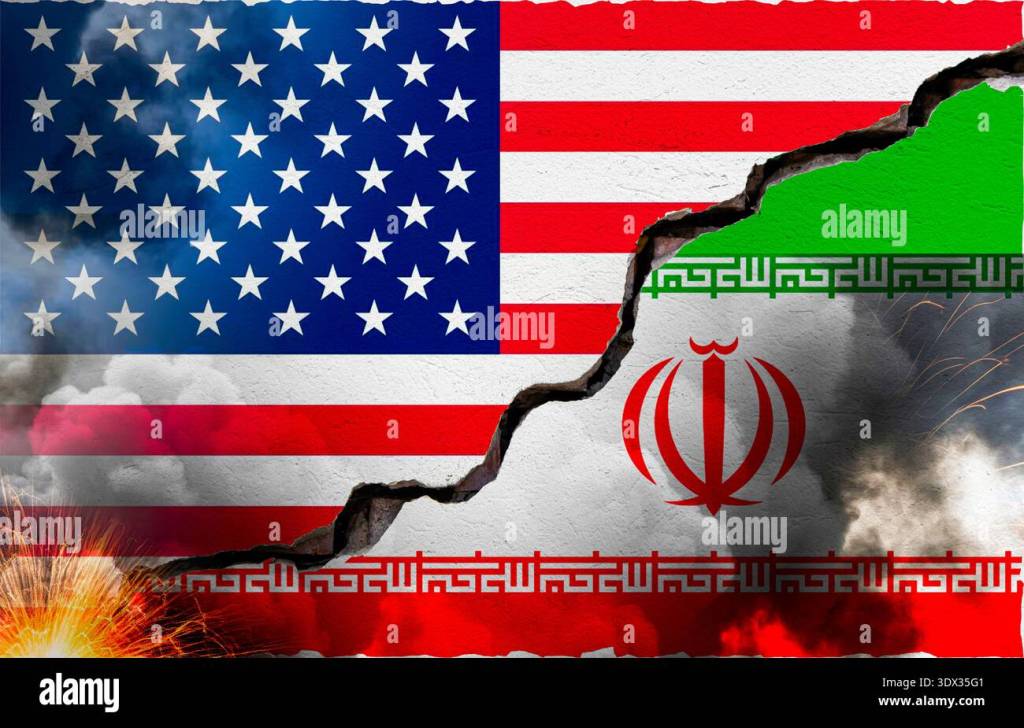
Traumatic brain injury has become the defining wound of America’s war with Iran, with U.S. officials confirming that more than 75% of the 303 service members wounded since Operation Epic Fury began on February 28 have suffered TBIs — the highest such ratio in U.S. military history. Approximately 50,000 American troops were already stationed across the Middle East when the conflict began, with thousands more since deployed.
The injuries are driven overwhelmingly by Iranian drone and missile strikes. When an Iranian drone struck a U.S. operations center at Kuwait’s Shuaiba port in early March, killing six Army Reserve soldiers, dozens more were hospitalized with brain trauma from invisible blast overpressure waves that damage tissue without leaving any external wound.
TBI was already labeled the “signature wound” of the Iraq and Afghanistan wars, where the Department of Defense recorded over 518,000 military TBIs since 2000, peaking at 33,000 diagnoses in 2011 alone. The current TBI rate — roughly three times the Iraq-era figure — has alarmed lawmakers on both sides of the aisle. Sen. Joni Ernst warned that the injury “has become prevalent among hundreds of thousands of service members in recent years,” while Sen. Elizabeth Warren has called TBI research “the minimum that we owe” those who serve.
 TBI on the Hill