

On June 24, 2026, the U.S. Consumer Product Safety Commission released new data on child drowning. An average of 376 children under 15 died in pool and spa incidents each year from 2021 to 2023. Of these fatalities, nearly 80% of the victims are under age five, and more than 70% of incidents at residential homes.
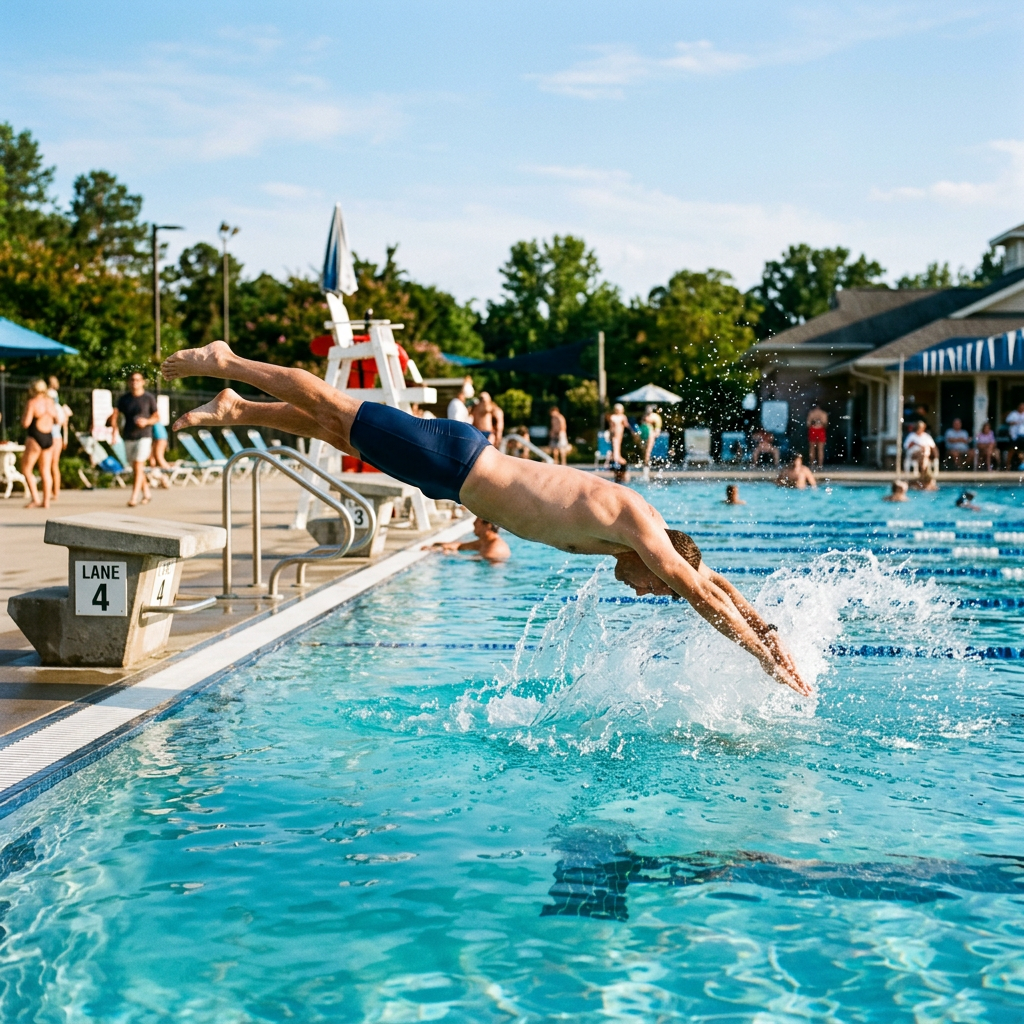
Less visible are the roughly 8,000 nonfatal drownings annually, as both adult and youth survivors of such incidents can sustain lasting brain damage. Diving adds a second summer hazard, particularly head-first impact in shallow water drives force straight through the neck.
While these numbers may cause worry, time in the water can safely stay one of the best parts of the summer by following some rules, including:
- Assign a sober “water watcher”
- Install four-sided fencing with self-latching gates
- Enroll children in swimming lessons
- Learn CPR
- Enter unfamiliar water feet-first
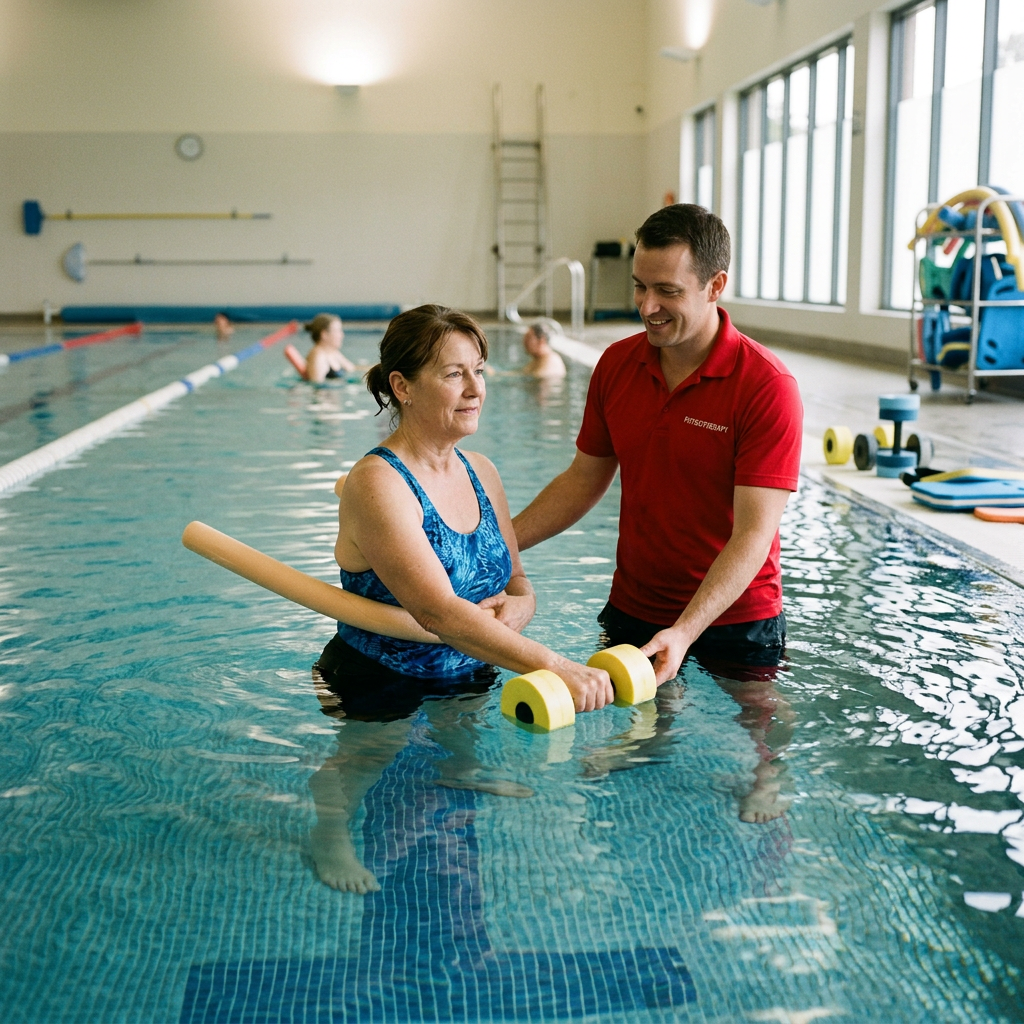
On the other side of the spectrum, for those in recovery from a brain injury, aquatic therapy (AT) is a highly recognized form of treatment. A 2020 PubMed-available study found that “the use of AT during post-acute phase to improve motor functions and quality of life in patients with s[evere]TBI.” In March 2026, a new in-depth review of this subject was published on PubMed: Aquatic Therapy as a Programmable Multisensory Environment for Arousal and Postural Control After Severe Acquired Brain Injury.

