
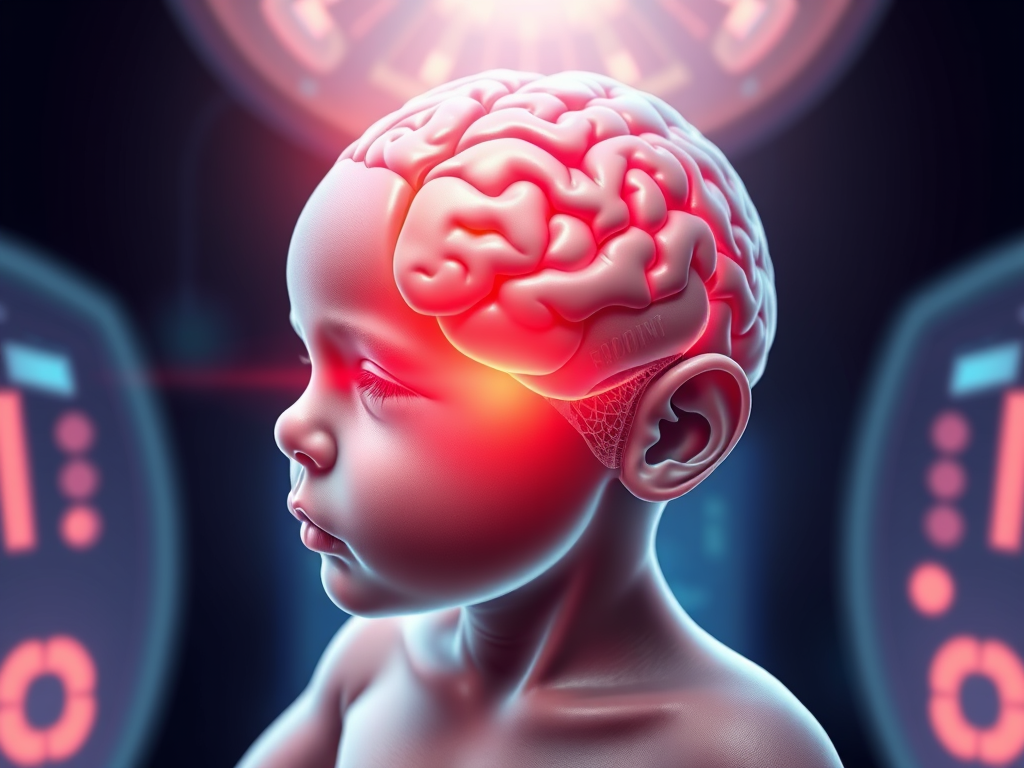
As reported in the NIH database in November 2025, “In recent years, there has been increasing interest in identifying and validating biomarkers capable of predicting the onset and progression of IVH, as well as other forms of neonatal brain injury.“ Two studies published this month offer fresh hope for preventing and treating neonatal brain injuries, conditions that affect thousands of American infants each year and can lead to lifelong disabilities.
Detailed in Pediatric Research on January 3, a comprehensive care model demonstrates how integrated treatment from prenatal care through early childhood can improve outcomes for at-risk newborns. Of the approximately 3.6 million babies born annually in the United States, about 10 – 15% require Neonatal Intensive Care Unit admission. The collaborative program addresses what researchers call a critical window, as “injuries during these stages can lead to lifelong disabilities.”
Meanwhile, Stanford University researchers reported January 5 in the Journal of Perinatology that advanced monitoring techniques can better predict dangerous brain bleeds in premature infants. Their study of 482 preterm babies found that low cerebral oxygenation increases mortality risk more than fourfold.
Both studies build upon past NIH-supported research through the Neonatal Research Network.
 TBI on the Hill