A Gift from the Heart to the Mind

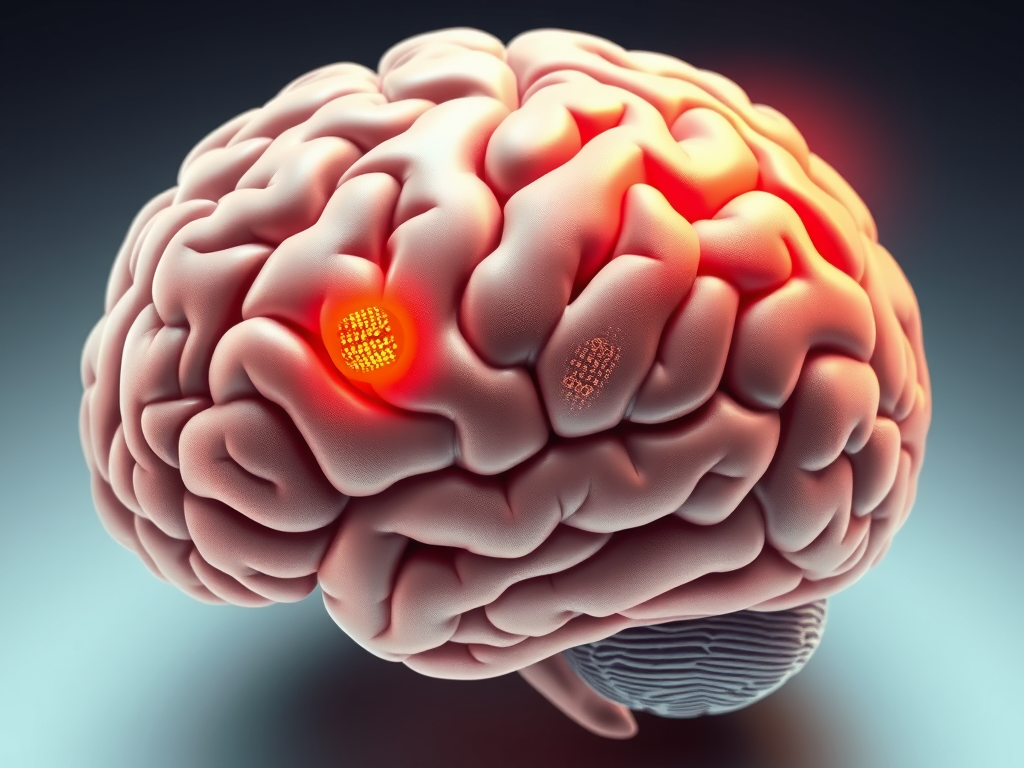
This Valentine’s Day, that box of dark chocolates may offer more than romance. A body of research indexed in PubMed reveals that dark chocolate’s primary flavanol, epicatechin, is a potent neuroprotective compound with remarkable potential for brain injury recovery.

“Epicatechin represents a promising therapeutic candidate for traumatic brain injury – its multi-pathway neuroprotection, from antioxidant defense to neurogenesis, makes it unlike any single pharmaceutical agent,” stated Wang et al. in 2024 in CNS Neuroscience & Therapeutics. Research shows that administering epicatechin after traumatic brain injury prevents neuronal death, reduced neuroinflammation, and restored neurological function by targeting the AKT-P53/CREB signaling pathway. This pathway then promotes cell growth and inhibits apoptosis. A 2025 meta-analysis in the Journal of Agricultural and Food Chemistry pooled 12 animal studies and confirmed epicatechin significantly improves outcomes across TBI, ischemic stroke, and other brain injury types, while reducing oxidative stress and boosting antioxidant defenses.

Dark chocolate’s brain benefits operate through multiple pathways: boosting cerebral blood flow by 8-10% via nitric oxide–mediated vasodilation, activating the Nrf2 antioxidant system, elevating the brain-derived neurotrophic factor critical for neuronal survival, and stimulating neurogenesis. Crucially, these are the very mechanisms disrupted by traumatic brain injury and stroke.

While most current TBI-specific evidence remains in animal models, the results are compelling. This Valentine’s Day, choose dark chocolate with the highest cocoa content you can find, preferably 70% or above. Your brain, and your loved one’s brain, will thank you.

Federal Funding Advances “Holy Grail” of TBI Diagnosis

A Boston company developing a non-invasive way to detect dangerous brain swelling after traumatic brain injury has received $5.5 million in federal funding from the NIH Blueprint MedTech Program and Department of War’s Joint Warfighter Medical Research Program.

This new non-invasive technology, CranioSense, uses a forehead patch and clip-on sensors to detect elevated pressure without surgery and could transform TBI emergency care. Currently, measuring intracranial pressure – which if elevated can cause brain damage, coma, or death – requires drilling into the skull. This limits testing of brain swelling to only the most critical patients, meaning only approximately 2% of TBI patients ever have their brain pressure measured.

A retired U.S. Army Special Operations Command consultant called the new technology “a ‘Holy Grail’ of prolonged casualty care” that addresses “one of the biggest gaps in monitoring critical casualties.”

The December 2025 grants will support device development and validation ahead of FDA approval. If cleared, the system could make brain pressure assessment “as routine as blood pressure measurement” in emergency rooms, on battlefields, and at accident scenes – catching dangerous swelling early when intervention can save lives.

Teletherapy Promising for TBI Emotional Recovery

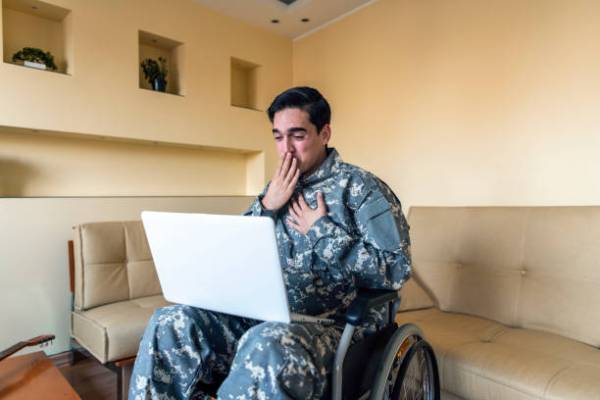
A major government-funded initiative is further advancing the understanding of teletherapy for emotional health challenges following traumatic brain injury. In December 2025, the U.S. Department of War announced a $4.3 million multi-site study testing Building Emotional Self-Awareness Teletherapy (BEST), led by the Hackensack Meridian JFK Johnson Rehabilitation Institute (NJ) and designed to help brain injury survivors recognize and regulate emotions.

The DoW’s Congressionally Directed Medical Research Programs is funding this nationwide study through its Traumatic Brain Injury and Psychological Health Research Program with partner institutions, including the Indiana University School of Medicine, the National Intrepid Center of Excellence, and the University of South Florida. The study will enroll 152 civilian and military participants experiencing emotional dysregulation after mild traumatic brain injury.

The federal government’s exploration into telehealth, in relation to brain injury, has long been studied. As early as 2003, the NIH reported that, “A case study is presented in which teletherapy was successfully utilized to improve the functional outcomes, both physical and cognitive, of a patient with a severe TBI.” More recent government-supported research, led by the University of Washington and UC San Diego and published in July 2025 in Frontiers in Neurology found that telehealth interventions significantly improved depression, anxiety, PTSD, and sleep symptoms in service members with concussions.

Preliminary results are encouraging: 83% of BEST participants reported noticeable improvement in functioning. These developments offer hope that accessible remote therapy can transform emotional recovery for millions affected by brain injury.