Hard Hats & Neural Nets: Scaffolding’s Life-or-Death Role

During severe weather at Utah’s RedWest music festival in October 2025, a 2’x12’ scaffolding board broke loose from a nearby construction site and struck 23-year-old Ava Ahlander, killing her instantly. This tragedy underscores construction scaffolding’s critical vulnerability—despite providing essential support for workers, these temporary structures can traumatically injure or turn deadly when they fail.

The stakes are staggering. “In 2023, 5,283 workers lost their lives. That means a worker dies every 99 minutes,” stated Assistant Secretary of Labor for Occupational Safety and Health Doug Parker in December 2024. While that death rate is a conglomeration of all construction deaths, in 2022 alone, falls from elevation claimed 365 construction workers’ lives – additionally, it does not note the rate of disability.

Yet inside our skulls exists another type of scaffolding—neural networks that support brain function. Unlike construction platforms that can be dismantled and rebuilt, brain scaffolding faces unique repair challenges. Traumatic brain injury severely limits the brain’s natural regeneration capacity.

Now researchers are developing biodegradable polymer scaffolds seeded with neural progenitor cells to bridge the gap. These biological structures can reduce lesion volume, promote neurite outgrowth, and significantly improve motor function after brain injury. As noted in a June 2025 NIH-published study How neural stem cell therapy promotes brain repair after stroke, understanding how these stem cell grafts promote neural repair “remains incompletely understood.”

While construction scaffolding must be secured to prevent tragedy, our own scaffolding benefits from neuroplasticity—the remarkable ability to reorganize and heal.

UC/DVA Brain-Gut Study Results May Bring Relief

“Colorado researchers think they might be able to help veterans with traumatic brain injury and PTSD by improving the health of their gut microbiome,” reported Colorado Public Radio on November 9, 2025.

A University of Colorado School of Medicine study, focused on veterans who experience both brain injury symptoms and severe gastrointestinal distress, has just wrapped up. As Dr. Lisa Brenner, a clinical research psychologist at the Department of Veterans Affairs and the UC School of Medicine, and the lead researcher for this study, says, “One soldier I talked to started talking to me about how in addition to his brain injury symptoms, his guts hurt for several weeks after he was exposed to a blast.”

The research team used Lactobacillus rhamnosus, a specific probiotic strain designed to reduce inflammation and calm the body’s systems. Though full results with not be available until next year, researchers emphasize their focus on scientifically validated – single-strain probiotics rather than over-the-counter multi-strain products, ensuring precise treatment effects for veterans in need.

This targeted OTC approach could decrease TBI symptoms for all brain injury survivors.

Emotional Release with the Mocktail

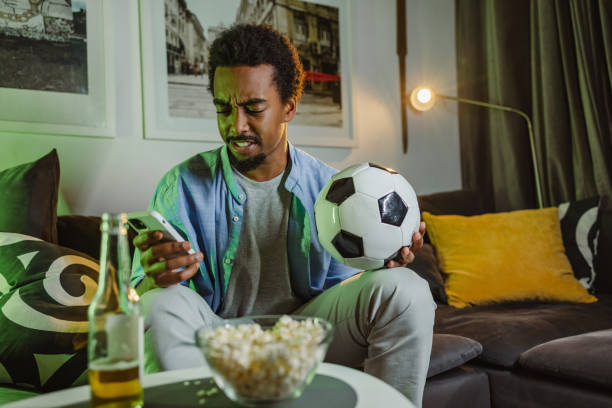
America is now three days past the 2025 elections, the results of which may have either brought celebration or disappointment. Regardless, this weekend may be one of excess drinking of adult beverages. Before partaking, though, people with and without a brain injury should know the neurological facts of imbibing:

Alcohol attacks your brain in multiple ways.  A 2025 American Academy of Neurology study of 1,781 brain autopsies found heavy drinkers had 133% more brain lesions—damaged tissue that chokes off blood flow and causes memory problems.

Despite knowing that alcohol’s negative effects, a person may to choose to indulge in a social setting to release stress or to just “fit in” with the crowd. Those with brain injuries, though, often already have daily struggles in social skills (the words they communicate, intonation, voice volume, use of gestures, facial expressions, body positioning) and should be more cautious. Unlike the general public, for which the NIH-published scientific results are less clear, science has determined there’s no safe drinking level for those with brain injuries.  Many medications specifically state “no alcohol”.  Additionally, a 2025 National Institute on Alcohol Abuse and Alcoholism review found TBI and alcohol create a synergistic effect—together they trigger far worse inflammation and damage than either alone.

What about wine’s “brain-cleaning” benefits? A 2025 Stanford research report debunked this theory, exposing that earlier studies suffered from selection bias when comparing moderate drinkers to “abstainers”. Apparently, these “abstainers” were often former heavy drinkers who had stop due to their failing health. When properly analyzed, the protective effects vanished. Even low alcohol doses damage DNA and disrupt brain signaling. 

The good news? Brain damage from alcohol abuse may reverse with abstinence, as nerve cells regenerate. Additionally, more alcohol-centric establishments now offer popular and tasty mocktails as an alternative.  

The Bard’s Brain

Shakespeare never stepped inside a university, yet his plays read like a Renaissance neurology textbook. The bumbling Falstaff in Henry IV Part 2 describes what sounds remarkably like a stroke—a brain injury that also causes paralysis. Julius Caesar suffers epilepsy, a condition that can result from brain injuries, while King Lear’s descent into dementia with Lewy bodies remains heartbreakingly accurate. The Bard also depicted Parkinsonism, sleep disorders, headaches, and even prion disease with stunning precision. The NIH has examined Shakespeare’s neurological accuracy through peer-reviewed studies, with major analyses published in 2010 and 2013 documenting these portrayals from an era when brain injuries were poorly understood. Here’s the jaw-dropper: Jean-Martin Charcot, the father of modern neurology, “frequently used Shakespearean references in his neurological teaching sessions, stressing how acute objective insight is essential to achieving expert clinical diagnosis”. Living when people thought demons caused seizures, Shakespeare captured the devastating reality of neurological conditions with clinical precision that earned recognition from neurology’s greatest minds. His genius wasn’t just wordplay—it was observation that would make modern neurologists jealous.

Link: Target Shooting Could Be Causing Brain Injuries.

Today, November 4, 2025, the New York Times reported on the dangers of recreational shooting, specifically the risk of brain injury. While the article provides common sense information: military-style weaponry pose a greater risk, “the data also showed that indoor shooting ranges designed to make shooting safe inadvertently make blast exposure worse — doubling and sometimes tripling the amplitude of the blast.”

While it may seem that numerous studies are “telling” citizens to halt many recreational activities that are practiced to relieve stress – alcohol, smoking – legal and illegal, gambling, shooting, etc. – it is important to be informed of the most recent scientific findings before making personal decisions.

What Biden’s Neurosurgeon Said vs. What Science Shows*

Recent books, including “Original Sin” by Jake Tapper and Alex Thompson, “Uncharted” by Chris Whipple and “Fight” by Jonathan Allen and Amie Parnes, have reignited discussion about Joe Biden’s mental acuity during his presidency. Specific to this site, these publications bring attention to a significant medical event from Biden’s past.

In February 1988, then-Senator Biden suffered a ruptured brain aneurysm at age 45, followed by discovery of a second unruptured aneurysm. Both required craniotomy surgeries at Walter Reed, with the ruptured aneurysm carrying approximately a 50% survival rate and significant risk of lifelong disability. According to the Cleveland Clinic, a ruptured brain aneurysm can cause a subarachnoid hemorrhage, hemorrhagic stroke, vasospasm, hydrocephalus, seizures, coma and death. However, 34% of those who are affected by such an aneurysm have no permanent brain damage, states the Brain Aneurysm Foundation.

Related to his service to the country, medical research indicates that survivors of brain aneurysms commonly experience cognitive deficits including memory problems, executive function difficulties, language impairment, and personality changes. Despite these risks, Biden returned to the Senate after six months, served as Vice President for eight years, and was elected President. His neurosurgeon, Dr. Neal Kassell, stated in 2019 that Biden suffered no brain damage* and remained cognitively sharp.

Biden has publicly discussed his aneurysms, writing about them in his memoir “Promises to Keep” and occasionally mentioning them in speeches. Unfortunately, following his trauma, he did not seem to be motivatiod to explore new legislation related to brain injury. (While in Congress, Biden proposed one bill specifically related to brain injury: S.3668, Crime Victims with Disabilities Act of 2008. The bill was introduced on October 1, 2008, read twice, and no further action seems to have been taken.)In his new book, Tapper writes, “[Biden’s] not going to be defeated by brain aneurysms, by this tragedy, by that tragedy,” somewhat deceptively implying the aneurysms occurred recently.

* This article is solely factual; do not interpret any statement as opinion.

Gambling At Odds With Your Brain

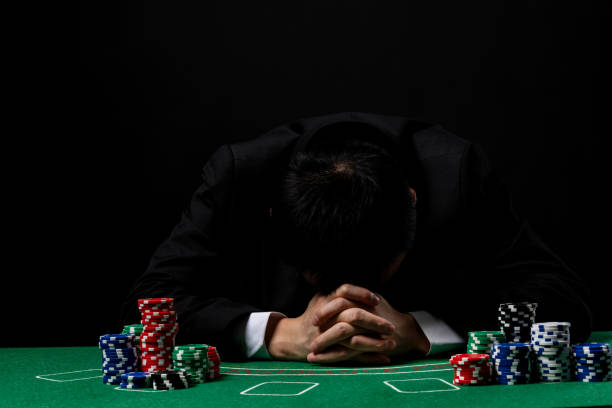
Hollywood has long depicted the brutal consequences of gambling debt. In Casino, debtors are beaten with baseball bats and buried alive. Uncut Gems, a favorite of mine, shows Adam Sandler’s character shot in the face despite finally winning enough to pay everyone back. These fictional beatings causing head trauma mirrors a darker real-world cycle: brain injuries can themselves create devastating gambling vulnerabilities.

Gambling is legal and gambling establishments exist in 48 states and they are engineered to entice. Casinos use specific lighting, no clocks, free alcohol, and calculated rewards to keep people playing. Online gambling apps employ similar tactics through notifications, bonus offers, and easy one-click betting designed to override rational decision-making. These manipulative tactics can be especially perilous for brain injury survivors. A 2020 study found brain injury survivors face 2.8 times higher odds of developing gambling problems.

Traumatic brain injuries can affect the prefrontal cortex and orbitofrontal regions. This can then cause behavioral changes by disrupting impulse control, creating powerful urges that override rational thinking and causing disinhibition. On August 8, 2025, the NIH published results of a study that found the dopamine system can also be dysregulated, driving brain injury survivors to seek the stimulation that gambling provides. A person with a brain injury may simply struggle to recognize they’re losing, calculate odds accurately, or stop when they should.

The consequences can be devastating. In one case, a construction worker who sustained a workplace head injury lost $80,000 at Las Vegas casinos within six months, unable to process his mounting losses due to impaired executive function. Thankfully, his family intervened before complete financial ruin.

Hope exists: There are support organizations, such as Gamblers Anonymous (https://gamblersanonymous.org/) which reports 50-70% sustained recovery rates. For those with brain injuries, overcoming this addiction may require both addiction and cognitive rehabilitation, but recovery is very possible.

The Spaceman Falls to Earth

Ace Frehley, KISS’s founding guitarist known as “The Spaceman,” died October 16, 2025, at the Morristown Medical Center (NJ), from a fatal brain bleed. After past years of excess, including drugs and alcohol use, and numerous car crashes, it was two falls within a span of two weeks that led to the 74-year-old rock icon’s demise. Frehley first fell in his home studio in late September. What was first described as a “minor fall”, resulted in a brain bleed. Then, in early October, he catastrophically fell down a flight of stairs.

Brain bleeds occur in approximately 25% of head injury cases, with falls accounting for 85% of traumatic brain injuries in elderly patients. At Frehley’s age, mortality rates for acute subdural hematomas are 65-88%. Specifically, the bleeding prevents oxygen from reaching brain tissue, irreversibly causing damage within minutes. For those who do survive, they often face permanent paralysis, memory loss, and personality changes. Frehley, however, never experienced these consequences, as he remained unconscious after his second fall, until his family removed life support.

In 2020, the guitarist, who leaves behind a complicated legacy, famously declared “Trump is the strongest leader that we’ve got”. President Trump, announcing Kennedy Center Honors in August, called Frehley and KISS “legendary”. Famed guitarist John 5, his friend, stated, “What he told me is he was so excited that the president said his name… At this point of his life, he was over the moon.” Frehley will still receive this honor, now posthumously.

Brain Injury in Blue

While citizen brain injuries from police interactions are prominent in the news, galvanizing the “Defund the Police” movement, they remain rare—occurring in just 0.36% of encounters according to 2024 data from one major US city. Officers face greater risks. Across the pond, a 2025 University of Exeter study highlighted the problem: “Police officers face twice the risk of traumatic brain injuries and PTSD.”  An August 2024 Ohio State University study found 30% of law enforcement officers are injured on duty. Reporting on this study, the Journal of Head Trauma Rehabilitation May/June edition states that, “[Head injuries] are prevalent in LEOs, which may have consequences for their performance, well-being, and career longevity. PTSD and depressive symptoms are higher in those with a HI history, suggesting LEOs need better traumatic brain injury and mental health resources.”

For police officers, brain injuries are primarily sustained from assaults, vehicle crashes, and falls, and can have horrific outcomes. Ferguson, MO Officer Travis Brown exemplifies the danger of the myriad of anti-law enforcement protests: struck during a 2024 protest, he remained unable to walk or talk nearly a year later. Additionally, in a September 5, 2025 article, ‘Something Is Wrong With My Brain’, the New York Times reported on Brent Simpson, the first police officer known to have CTE.

Congress has responded with the TBI and PTSD Law Enforcement Training Act, signed into law in August 2024. Led by Rep. Don Bacon and the late Rep. Bill Pascrell Jr. of the Congressional Brain Injury Task Force, this legislation mandates CDC studies on first responder concussions and crisis intervention training, allotting $270 million over five years for training and research. Mick McHale, President, National Association of Police Organizations (NAPO) said, in relation to protecting the police, “This legislation also recognizes that law enforcement and first responders are among those in our communities who suffer from these afflictions and requires the CDC to do a study on the prevalence of TBI and PTSD in the profession. We thank [senators] for championing this legislation and… [their] support of the law enforcement community.”

Thankfully, officers can and do protect themselves through ballistic helmets, baseline concussion testing, and return-to-duty protocols following head impacts. More so, additional research likely will be a benefit, assuming that it results in positive action.

Bringing Back the Scent to Recovery – 2

While some survivors lose their sense of smell completely, others experience something equally disturbing: smelling things that aren’t there. This phenomenon, called phantosmia, often involves putrid odors, such as “fecal-like, burned, chemical-like, or metallic” and may persist or come and go unpredictably, according to research published in The FASEB [Federation of American Societies for Experimental Biology] Journal. One survivor who had been recovering from a TBI for two years shared in January 2024 that they developed a persistent smell of cigarette smoke that wouldn’t go away. Another person reported that after a concussion from a blackout, everything tasted and smelled like burnt plastic, profoundly affecting their quality of life and ability to work.

Distinct, but similar to phantosmia, is parosmia, which involves the distortion of smells and has been proved to be caused by many medical conditions, one of which is NIH-confirmed to be traumatic brain injury. As a NIH review states, “The condition was first documented in 1895 and can affect up to 5% of the general population.”