The Healing Power of Roses

As we reflect on this September 11 day of remembrance and resilience, the rose’s message of renewal feels especially profound. The 9/11 Memorial & Museum honors this daily, by placing a single white rose at each inscribed victim’s name on his or her birthday. For those with a brain injury, this easy-to-find and symbolic flower has a value beyond remembrance. It has been found that the scent of a rose can help rebuild a damaged brain. It may sound like poetry, but science is discovering that the flower holds remarkable therapeutic potential for brain injury survivors.

Both fresh roses and rose essential oils can support brain injury recovery through multiple pathways. Recent research shows that rose aromatherapy increases brain-derived neurotrophic factor, a protein crucial for neural repair and new connections. Even patients who lose their sense of smell after brain injury—approximately 20%—can still benefit, as rose compounds enter the bloodstream through breathing and cross the blood-brain barrier to provide therapeutic effects beyond direct scent perception.

Sleep is critical for healing, but up to 75% of brain injury survivors report issues with sleep, and roses excel here too. A groundbreaking University of California study found that nightly aromatherapy produced a stunning 226% improvement in memory performance by enhancing brain pathways during sleep. As HHS Deputy Secretary Jim O’Neill stated in July 2025, “Millions of Americans are living with the damage caused by strokes and traumatic brain injuries. Current treatments are not enough”—making natural therapies increasingly valuable.

The rose’s symbolism adds psychological benefits to its physiological effects. Across cultures, roses represent transformation, hope, and the strength to bloom despite thorns—qualities essential for recovery journeys. Since rose season continues for a bit longer, until the first frost, survivors can now incorporate fresh blooms into their healing routine, and continue year-round, by using rose oil to harness nature’s gentle power for neural restoration.

HIV Drug Unlocks Brain’s Hidden Healing Power

It may seem counterintuitive, but the injured brain can heal itself too much, medically known as maladaptive neuroplasticity.Imagine now if your brain had a built-in safety switch that prevented this. Scientists have discovered that’s exactly what happens with a protein called CCR5 – a cellular receptor that acts like a biological brake and the loss of which can result in memory loss and impairing recovery after brain trauma.

Maraviroc is a prescription antiretroviral medication originally developed to treat HIV by blocking the virus from entering cells through this same CCR5 receptor. Specifically, the drug works by preventing certain HIV strains from infecting immune cells when used alongside other HIV medications.

As an HIV drug, it was already known to improve neurocognitive functioning. The medication enhances the brain’s natural ability to repair and rewire itself, a capability that would also be greatly impactful for those with brain injuries. In fact, research into TBI and CCR5 on the NIH site shows that studies have spanned nearly a decade, with promising results. For example, multiple studies have shown that “maraviroc blocked CCR5 in mice and boosted the animals’ recovery from traumatic brain injury and stroke.” Dr. S. Thomas Carmichael at UCLA remarked about this connection, stating “this is the first time that a human gene has been linked to a better recovery from stroke.”

Real-world impacts of this treatment are emerging. The story of Debra McVean, featured in a New York Times article on September 4, 2025, documents how she participated in a clinical trial of maraviroc after suffering a stroke that paralyzed her left side. A month later, her neurocognitive skills had healed to the point that she could initiate movement in her fingers.

Computer Vision Reveals Covert Consciousness

A study, completed in late August 2025 (https://pubmed.ncbi.nlm.nih.gov/40835724/), has validated SeeMe, a computer vision tool that could transform how doctors assess consciousness in comatose brain injury patients. The research from Stony Brook University, started in 2019, demonstrates that SeeMe can detect subtle facial movements indicating awareness days before clinicians recognize recovery signs.

SeeMe uses high-resolution cameras to track facial pore movements with sub-millimeter precision, analyzing responses to voice commands like “open your eyes” or “stick out your tongue.” In tests, the system consistently detected eye-opening responses several days earlier than clinical examination and identified consciousness in significantly more patients compared to standard bedside assessments.

These tests show that this new technology addresses a critical gap in patient care, as many brain injury patients may be covertly conscious despite appearing unresponsive. These micro-movements, invisible to the human eye, correlate with better recovery outcomes and can inform crucial treatment decisions.

Researchers plan to integrate SeeMe with brain monitoring technologies like EEG (electroencephalogram) to develop comprehensive consciousness assessment tools. The hope is that this system could guide rehabilitation timing, facilitate family discussions, and potentially enable communication interfaces for patients previously thought unreachable. As a healthcare advances, SeeMe represents a significant step toward more precise, objective neurological assessment.

Old Lessons, New Risks: Mosquito Prevention in 2025

Mosquitoes present their greatest threat during summer and fall months, with peak activity from July through October between dusk and dawn. The southeastern United States, Great Lakes region, and areas near freshwater wetlands face the highest risks from mosquito-borne diseases like West Nile Virus and Eastern Equine Encephalitis, but all regions of the United States are at risk.

Growing up, the majority of the mosquito bites I was subject to occurred on the school playground. As school begins, it should be noted that children face unique vulnerabilities to certain mosquito-borne illnesses. Eastern Equine Encephalitis proves most severe in infants, while La Crosse encephalitis primarily affects children under 16. The CDC reports that as of September 2, 2025, there were 577 total West Nile cases nationally, with 356 being neuroinvasive cases affecting the brain and nervous system. (Note that these statistics are somewhat deceptive, as only 37 states reported numbers to the CDC.)

The dramatic shift in children’s outdoor time creates a complex scenario. Today’s children spend an average of only 30 minutes daily in unstructured outdoor play compared to over seven hours with electronic screens. This reduction paradoxically offers some protection from mosquito exposure while potentially leaving children less experienced with prevention strategies when they do venture outdoors. Additionally, I have previously discussed how it has been proven that this lack of in-person human interaction can have its own negative neurological effects.

Despite technological advances, school prevention education to address this risk remains largely unchanged from decades past. Students still learn to wear protective clothing, use EPA-approved repellents containing DEET or picaridin, and eliminate standing water breeding sites. Recent developments include updated repellent formulations and expanded surveillance systems, but fundamental prevention strategies have remained constant.

It has been surmised by some that climate change has extended mosquito seasons in over two-thirds of U.S. locations studied, making year-round vigilance increasingly necessary for protecting public health.

2025 NIH Studies Reinforce Benefits of Yoga & Mindfulness for Brain Injury Survivors

Yoga and mindfulness serve as complementary practices that enhance both physical and mental well-being through integrated approaches combining movement, breath awareness, and present-moment attention. TBI of the Hill reported in 2018 that the federal government designated September as Yoga Awareness Month beginning in 2008. Since that time, the NIH research has continued to expand on the understanding of these therapeutic interventions for brain injury survivors.

Recent studies demonstrate sustained scientific commitment to mindfulness-based approaches for neurological recovery. On June 27, 2025, the NIH published a study, “Acceptability of a Brain-Injury-Tailored Yoga and Meditation Program Among Female Patients with Concussion.” In February of this year, another NIH research showed “mindfulness-based stress reduction as perceived by individuals with pathological mental fatigue after an acquired brain injury” provides essential coping mechanisms for survivors managing chronic fatigue and cognitive challenges. Current investigations also examine barriers to “adopting mindful medicine among physicians,” indicating growing clinical acceptance within medical communities.

The ongoing research validates earlier findings about yoga’s effectiveness in managing post-injury emotional regulation difficulties and neurological symptoms. These evidence-based studies offer hope for developing standardized rehabilitation protocols within medical settings.

The practice’s widespread cultural acceptance transcends political boundaries. Current HHS Secretary Robert F. Kennedy Jr.’s family embraces yoga traditions through his granddaughter’s enthusiasm for the practice, while commercially available yoga mats feature Kennedy, Trump, and former President Obama—himself a known mindfulness practitioner who demonstrated these principles throughout his presidency.

As NIH research continues, these studies provide crucial foundations for integrating yoga and mindfulness interventions within rehabilitation medicine, potentially transforming recovery outcomes for brain injury survivors nationwide.

Recognizing the Ongoing Struggles of America’s Brain Injured Workers

Labor Day, first celebrated on September 5, 1882, in New York City, honors American workers’ contributions to the nation’s strength and prosperity. The holiday gained federal recognition when President Grover Cleveland signed legislation in 1894, making the first Monday in September a national holiday. Yet for the estimated 5 million Americans living with traumatic brain injury (TBI) disabilities, the promise of meaningful work remains frustratingly elusive.

TBI survivors face unique employment barriers that make Labor Day bittersweet. Cognitive impairments affect memory, attention, and problem-solving abilities, while physical symptoms include fatigue, headaches, and coordination problems. The CDC notes that “some symptoms may affect a person’s ability to do their normal work activities,” highlighting how these invisible disabilities create substantial employment obstacles.

The statistics paint a stark picture: only 34% of TBI survivors maintain stable employment three years post-injury, according to TBI Model Systems research. In August 2025, the CDC laid out factual, but not statistical, “TBI in the Workplace Facts”.  For example, while some TBI survivors may not be able to ever return to work, many others who attempt to return to work encounter workplace discrimination, inadequate accommodations, and employers who misunderstand their capabilities.

The federal government has responded with several initiatives. The Office of Disability Employment Policy “provide[s] leadership, develop[s] policy and initiatives and award[s] grants furthering the objective of eliminating barriers to the training and employment of people with disabilities.” In a 2025 DOL Missouri’s Division of Workers’ Compensation conference, they affirmed that “individuals with brain injury can and do return to work with appropriate support and rehabilitation.”

However, significant gaps remain. Enhanced employer education about TBI, expanded transportation options, increased funding for vocational rehabilitation services, and recognition of brain injury as a chronic condition requiring long-term support are essential steps toward ensuring that Labor Day truly celebrates all American workers, including those whose injuries may be invisible but whose contributions remain invaluable.

Preventing Delirium & Death with Dexmedetomidine

Studies show dexmedetomidine can dramatically help brain injury patients by cutting death rates nearly in half and speeding recovery. As reported on nature.com on August 22, 2025, and studied and published by the National Institute of Health for years, this medication works by calming the brain’s stress response and reducing harmful inflammation that worsens brain damage.

Dexmedetomidine is a non-opioid sedative drug that keeps patients comfortable without suppressing their breathing like other medications. Rather than just helping in the early days, research shows patients benefit throughout their entire hospital stay, with longer treatment providing even greater protection.

Delirium—a dangerous state of confusion that’s very common in brain injury patients—significantly increases the risk of death and complications. Remarkably, dexmedetomidine prevents delirium in many patients, which explains much of why it saves lives.

Unsurprisingly, there are concerns, though. Specifically, dexmedetomidine temporary drops the heart rate and blood pressure, therefore requiring careful monitoring by medical staff.  Based of all this information, dexmedetomidine appears to be a potent treatment for some, but not all, brain injury patients.

August Brings Awareness to Neurosurgery

Neurosurgery Awareness Month has been proudly celebrated for over a decade, observed each August to highlight neurosurgery’s critical role in patient care. This American Association of Neurological Surgeons-led initiative honors innovation, research, and training that transform lives.

Neurosurgeons are essential to the treatment for many brain injury patients, performing life-saving procedures including craniotomy to remove blood clots, craniectomy to relieve brain swelling, skull fracture repair, and intracranial pressure monitoring. Emergency neurosurgical procedures are performed in up to an estimated 27% of traumatic brain injury patients, with insertion of pressure monitors being most frequent, followed by evacuation of mass lesions. Unfortunately, there are fewer than 3,700 neurosurgeons who work across more than 5,700 hospitals in the United States. (Forbes even published an article on August 18, 2025, titled Neurosurgery Awareness Month: So How Do You Become A Neurosurgeon?.)

Though the awareness month originated from professional advocacy, the U.S, government also recognizes the importance of neurosurgery as the National Institute of Neurological Disorders and Stroke is an important part of the National Institute of Health. Formed 75 years ago, NINDS is key to modern scientific and technological advances and awareness related to the month, e.g. The Digital Impact of Neurosurgery Awareness Month: Retrospective Infodemiology Study (2023). Additionally, former Secretary of HUD and appointee to the government’s task force handling the coronavirus pandemic Dr. Ben Carson was a pioneer in neurosurgery. His techniques for hemispherectomy and craniofacial reconstructive surgery have been influential in the field of neurosurgery.

The purpose of this month-long recognition is to educate the public, advocate for the specialty and celebrate the neurosurgical community including surgeons, residents, and patients. Celebrations include social media campaigns using #NeurosurgeryAwarenessMonth and story sharing. The theme “We are Neurosurgery: Every Patient. One Purpose” reflects the patient-first care policy.

Big Beautiful Bill Controversy Obscures Opportunity for the Disabled

Self-identified as one of his signature achievements, President Trump’s “One Big Beautiful Bill Act” was signed July 4, 2025. Since this time, H.R. 1 has generated widespread criticism from the news media.  The Atlantic described it as “A Big, Bad, Very Ugly Bill,” while ABC News reported that “two-thirds of the public view the ‘One Big Beautiful Bill’ legislation unfavorably.” While some of this criticism may be legitimate, the bill also offers opportunities for Americans with disabilities despite concerning cuts to social programs.

The legislation reduces SNAP funding by $186 billion through 2034 and implements stricter work requirements and eligibility verification for Medicaid, both of which could potentially affect millions of disabled Americans. However, the bill notably leaves Medicare largely unchanged, preserving this critical healthcare program for seniors and people with disabilities.

The legislation’s most transformative provision dramatically expands ABLE (Achieving a Better Life Experience) savings accounts, allowing people whose disability was diagnosed before age 46 to qualify, up from age 26. This change will enable an estimated 15 million Americans with disabilities to access tax-advantaged savings accounts without jeopardizing government benefits like Medicaid and Social Security.

The bill makes permanent several tax advantages, including 529-to-ABLE rollovers and expanded saver’s credits. As reported by CNBC, Charlie Massimo, a financial advisor and father of two sons with autism, says, “This is a game changer. For the first time, millions of Americans with disabilities will have access to the same kind of tax-advantaged wealth-building accounts most families already have.” Geneva Dickerson, who cares for her disabled brother, sees the potential: “With an account like the ABLE account, he can use those funds to pay for more speech therapy or physical therapy if insurance doesn’t cover it.”

While controversial aspects of the bill deserve scrutiny, the ABLE expansion represents the most significant advancement in disability financial inclusion in over a decade, offering unprecedented opportunities for financial security and independence.

H.R.1 – One Big Beautiful Bill Act: https://www.congress.gov/bill/119th-congress/house-bill/1

ABLE: https://www.ablenrc.org/

Bipartisan Effort to Eliminate Unhealthy Food Benefits the Brain

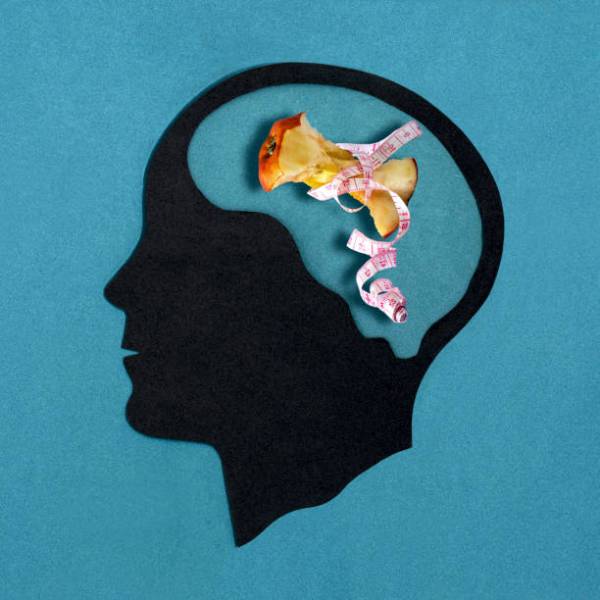
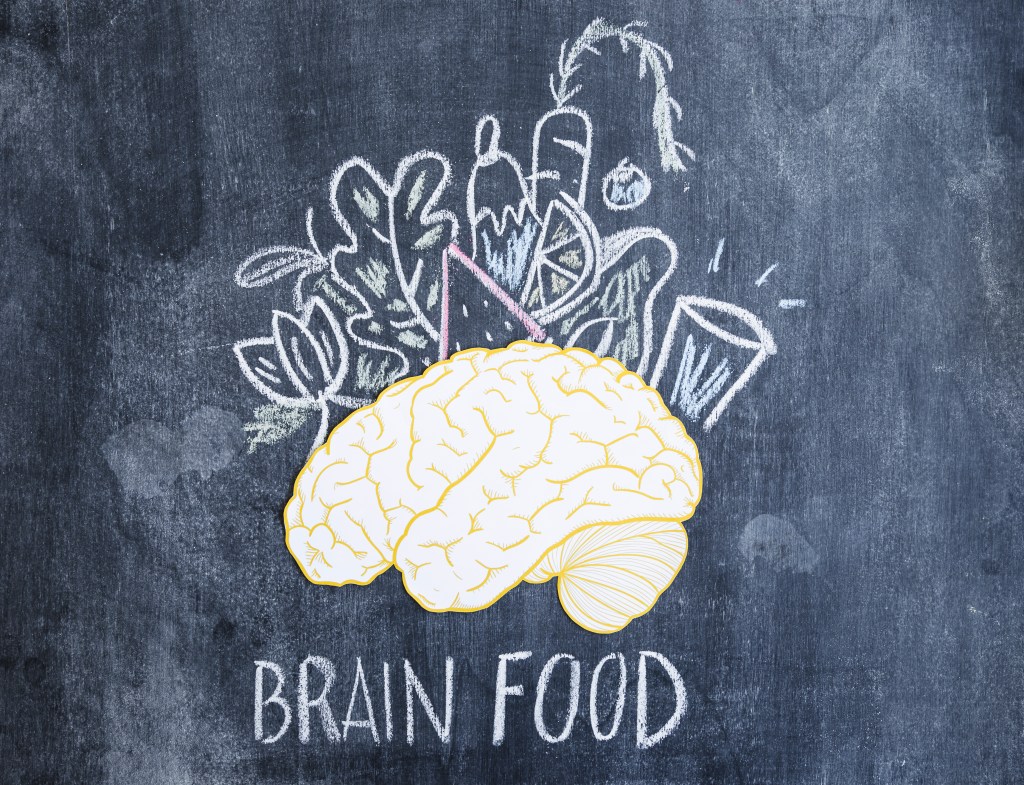
Ultra-processed foods (UPFs), industrially manufactured products containing ingredients rarely used in home kitchens, such as emulsifiers, artificial colors, flavors, preservatives, and stabilizers, has been at the forefront of the federal Department of Health and Human Services in 2025. These foods undergo extensive processing and include products such as packaged snacks, frozen meals, sodas, processed meats, hot dogs, chips, candy, ice cream, instant noodles, ready-to-eat cereals, packaged baked goods, and more. 

Health experts and the federal government have been particularly concerned about UPFs’ impact on brain injury, related to both tbi recovery and stroke risk, for years.  According to research, a 10% increase in UPF intake raises cognitive impairment risk by 16% and stroke risk by 8-15%. Not only do UPFs not “trigger our normal satiety” but an 10% increase in UPF intake raises cognitive impairment risk by 16% and stroke risk by 8-15%. Research shows higher UPF consumption was associated with a 28% faster rate of cognitive decline and 25% faster executive function decline. They can also negatively impact recovery by disrupting the brain’s ability to heal and create new neural pathways.  As they increase inflammation and impair recovery, all brain injury patients are advised to avoid these foods.

The Trump administration has worked to create the first federal definition of ultra-processed foods through a joint request for information from the Agriculture Department, Health and Human Services, and FDA. HHS Secretary Robert F. Kennedy Jr. has made UPFs central to his “Make America Healthy Again” movement, calling them harmful to public health and advocating for reduced consumption through education campaigns. In July 23, 2025, the FDA, in conjunction with the USDA and HHS, released a report stating, “Dozens of scientific studies have found links between the consumption of foods often considered ultra-processed with numerous adverse health outcomes, including… neurological disorders.”

Democrats generally haven’t contradicted these positions on UPFs. For example, in January 2025, California Governor Newsom issued an executive order to crack down on ultra-processed foods, demonstrating bipartisan concern about these products.

(Criticism of MAHA tends to focus on implementation approaches rather than the underlying goal of reducing UPF consumption, showing shared recognition of the importance of nutrition policy for brain health and stroke prevention.)