
Vitamin K is generally known for its role in blood clotting, but scientists have long been uncovering its powerful impact on brain health. Available to view through PubMed, biochemical journal Biofactors noted as far back as 2012, “There is now convincing evidence that vitamin K has important actions in the nervous system.” A 2022 study published in Nature, also available on PubMed, found that vitamin K suppresses ferroptosis, a type of cell death driven by lipid damage and linked to brain injury.
Vitamin K activates brain proteins Gas6 and protein S, which shield neurons from damage and support cell recovery after injury. While the vitamin is important for all people’s brain health, it is life-or-death for infants. The CDC has reported that babies who don’t receive a vitamin K shot at birth are 81 times more likely to develop Vitamin K Deficiency Bleeding [VKDB]. Between 30% and 60% of late-onset cases of VKDB involve brain hemorrhage, and one in five affected infants will die.
More recently, the public medical library published a 2025 Tufts University study, first reported in The Journal of Nutrition, that confirmed “low vitamin K intake reduced menaquinone-4 concentrations in brain tissues and impaired learning- and memory-related cognitive function.”
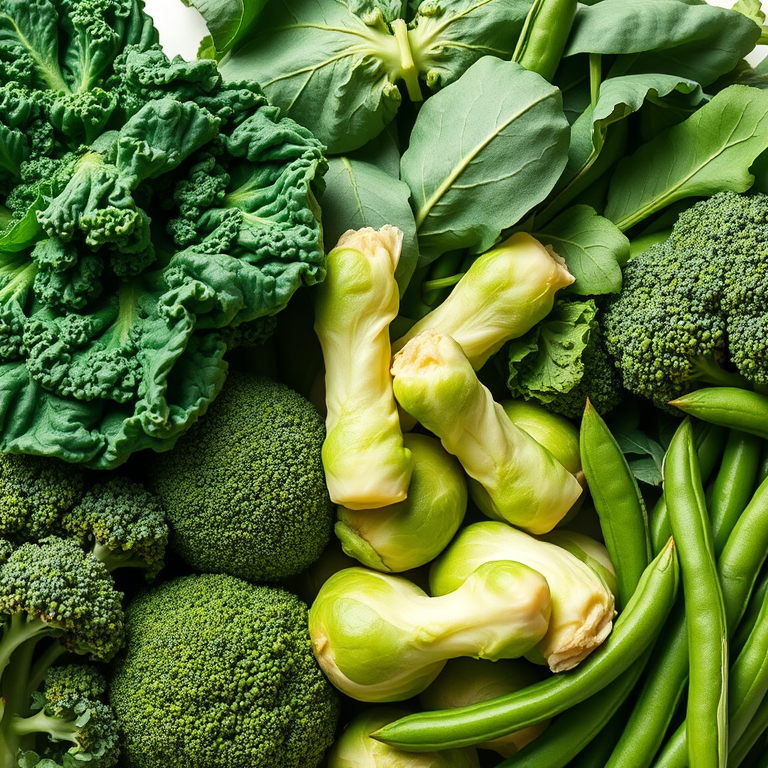
Beyond neuroprotection, the NIH Office of Dietary Supplements notes that Vitamin K strengthens bones and supports healthy blood circulation. The old adage of “eat your vegetables” is apropos, as top food sources include kale, spinach, broccoli, and Brussels sprouts.
 TBI on the Hill