
Hollywood has long depicted the brutal consequences of gambling debt. In Casino, debtors are beaten with baseball bats and buried alive. Uncut Gems, a favorite of mine, shows Adam Sandler’s character shot in the face despite finally winning enough to pay everyone back. These fictional beatings causing head trauma mirrors a darker real-world cycle: brain injuries can themselves create devastating gambling vulnerabilities.
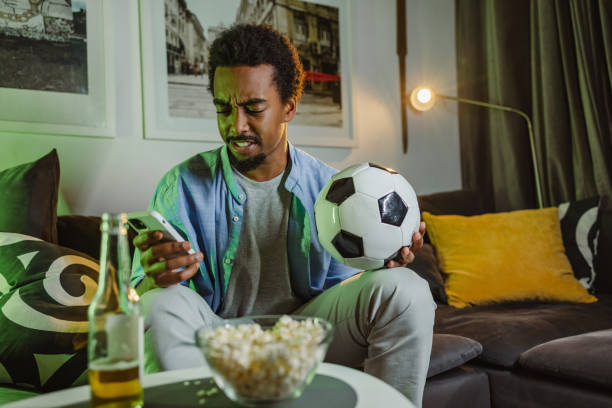
Gambling is legal and gambling establishments exist in 48 states and they are engineered to entice. Casinos use specific lighting, no clocks, free alcohol, and calculated rewards to keep people playing. Online gambling apps employ similar tactics through notifications, bonus offers, and easy one-click betting designed to override rational decision-making. These manipulative tactics can be especially perilous for brain injury survivors. A 2020 study found brain injury survivors face 2.8 times higher odds of developing gambling problems.
Traumatic brain injuries can affect the prefrontal cortex and orbitofrontal regions. This can then cause behavioral changes by disrupting impulse control, creating powerful urges that override rational thinking and causing disinhibition. On August 8, 2025, the NIH published results of a study that found the dopamine system can also be dysregulated, driving brain injury survivors to seek the stimulation that gambling provides. A person with a brain injury may simply struggle to recognize they’re losing, calculate odds accurately, or stop when they should.
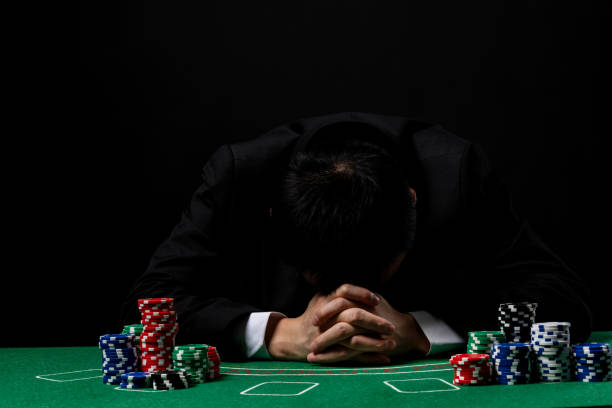
The consequences can be devastating. In one case, a construction worker who sustained a workplace head injury lost $80,000 at Las Vegas casinos within six months, unable to process his mounting losses due to impaired executive function. Thankfully, his family intervened before complete financial ruin.
Hope exists: There are support organizations, such as Gamblers Anonymous (https://gamblersanonymous.org/) which reports 50-70% sustained recovery rates. For those with brain injuries, overcoming this addiction may require both addiction and cognitive rehabilitation, but recovery is very possible.
 TBI on the Hill