2025 NIH Studies Reinforce Benefits of Yoga & Mindfulness for Brain Injury Survivors

Yoga and mindfulness serve as complementary practices that enhance both physical and mental well-being through integrated approaches combining movement, breath awareness, and present-moment attention. TBI of the Hill reported in 2018 that the federal government designated September as Yoga Awareness Month beginning in 2008. Since that time, the NIH research has continued to expand on the understanding of these therapeutic interventions for brain injury survivors.

Recent studies demonstrate sustained scientific commitment to mindfulness-based approaches for neurological recovery. On June 27, 2025, the NIH published a study, “Acceptability of a Brain-Injury-Tailored Yoga and Meditation Program Among Female Patients with Concussion.” In February of this year, another NIH research showed “mindfulness-based stress reduction as perceived by individuals with pathological mental fatigue after an acquired brain injury” provides essential coping mechanisms for survivors managing chronic fatigue and cognitive challenges. Current investigations also examine barriers to “adopting mindful medicine among physicians,” indicating growing clinical acceptance within medical communities.

The ongoing research validates earlier findings about yoga’s effectiveness in managing post-injury emotional regulation difficulties and neurological symptoms. These evidence-based studies offer hope for developing standardized rehabilitation protocols within medical settings.

The practice’s widespread cultural acceptance transcends political boundaries. Current HHS Secretary Robert F. Kennedy Jr.’s family embraces yoga traditions through his granddaughter’s enthusiasm for the practice, while commercially available yoga mats feature Kennedy, Trump, and former President Obama—himself a known mindfulness practitioner who demonstrated these principles throughout his presidency.

As NIH research continues, these studies provide crucial foundations for integrating yoga and mindfulness interventions within rehabilitation medicine, potentially transforming recovery outcomes for brain injury survivors nationwide.

Recognizing the Ongoing Struggles of America’s Brain Injured Workers

Labor Day, first celebrated on September 5, 1882, in New York City, honors American workers’ contributions to the nation’s strength and prosperity. The holiday gained federal recognition when President Grover Cleveland signed legislation in 1894, making the first Monday in September a national holiday. Yet for the estimated 5 million Americans living with traumatic brain injury (TBI) disabilities, the promise of meaningful work remains frustratingly elusive.

TBI survivors face unique employment barriers that make Labor Day bittersweet. Cognitive impairments affect memory, attention, and problem-solving abilities, while physical symptoms include fatigue, headaches, and coordination problems. The CDC notes that “some symptoms may affect a person’s ability to do their normal work activities,” highlighting how these invisible disabilities create substantial employment obstacles.

The statistics paint a stark picture: only 34% of TBI survivors maintain stable employment three years post-injury, according to TBI Model Systems research. In August 2025, the CDC laid out factual, but not statistical, “TBI in the Workplace Facts”.  For example, while some TBI survivors may not be able to ever return to work, many others who attempt to return to work encounter workplace discrimination, inadequate accommodations, and employers who misunderstand their capabilities.

The federal government has responded with several initiatives. The Office of Disability Employment Policy “provide[s] leadership, develop[s] policy and initiatives and award[s] grants furthering the objective of eliminating barriers to the training and employment of people with disabilities.” In a 2025 DOL Missouri’s Division of Workers’ Compensation conference, they affirmed that “individuals with brain injury can and do return to work with appropriate support and rehabilitation.”

However, significant gaps remain. Enhanced employer education about TBI, expanded transportation options, increased funding for vocational rehabilitation services, and recognition of brain injury as a chronic condition requiring long-term support are essential steps toward ensuring that Labor Day truly celebrates all American workers, including those whose injuries may be invisible but whose contributions remain invaluable.

Preventing Delirium & Death with Dexmedetomidine

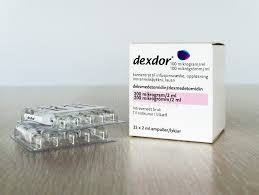
Studies show dexmedetomidine can dramatically help brain injury patients by cutting death rates nearly in half and speeding recovery. As reported on nature.com on August 22, 2025, and studied and published by the National Institute of Health for years, this medication works by calming the brain’s stress response and reducing harmful inflammation that worsens brain damage.

Dexmedetomidine is a non-opioid sedative drug that keeps patients comfortable without suppressing their breathing like other medications. Rather than just helping in the early days, research shows patients benefit throughout their entire hospital stay, with longer treatment providing even greater protection.

Delirium—a dangerous state of confusion that’s very common in brain injury patients—significantly increases the risk of death and complications. Remarkably, dexmedetomidine prevents delirium in many patients, which explains much of why it saves lives.

Unsurprisingly, there are concerns, though. Specifically, dexmedetomidine temporary drops the heart rate and blood pressure, therefore requiring careful monitoring by medical staff.  Based of all this information, dexmedetomidine appears to be a potent treatment for some, but not all, brain injury patients.

August Brings Awareness to Neurosurgery

Neurosurgery Awareness Month has been proudly celebrated for over a decade, observed each August to highlight neurosurgery’s critical role in patient care. This American Association of Neurological Surgeons-led initiative honors innovation, research, and training that transform lives.

Neurosurgeons are essential to the treatment for many brain injury patients, performing life-saving procedures including craniotomy to remove blood clots, craniectomy to relieve brain swelling, skull fracture repair, and intracranial pressure monitoring. Emergency neurosurgical procedures are performed in up to an estimated 27% of traumatic brain injury patients, with insertion of pressure monitors being most frequent, followed by evacuation of mass lesions. Unfortunately, there are fewer than 3,700 neurosurgeons who work across more than 5,700 hospitals in the United States. (Forbes even published an article on August 18, 2025, titled Neurosurgery Awareness Month: So How Do You Become A Neurosurgeon?.)

Though the awareness month originated from professional advocacy, the U.S, government also recognizes the importance of neurosurgery as the National Institute of Neurological Disorders and Stroke is an important part of the National Institute of Health. Formed 75 years ago, NINDS is key to modern scientific and technological advances and awareness related to the month, e.g. The Digital Impact of Neurosurgery Awareness Month: Retrospective Infodemiology Study (2023). Additionally, former Secretary of HUD and appointee to the government’s task force handling the coronavirus pandemic Dr. Ben Carson was a pioneer in neurosurgery. His techniques for hemispherectomy and craniofacial reconstructive surgery have been influential in the field of neurosurgery.

The purpose of this month-long recognition is to educate the public, advocate for the specialty and celebrate the neurosurgical community including surgeons, residents, and patients. Celebrations include social media campaigns using #NeurosurgeryAwarenessMonth and story sharing. The theme “We are Neurosurgery: Every Patient. One Purpose” reflects the patient-first care policy.

Big Beautiful Bill Controversy Obscures Opportunity for the Disabled

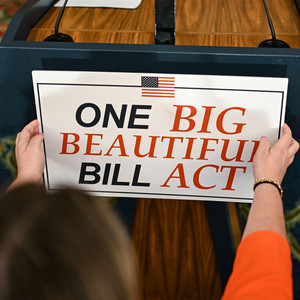
Self-identified as one of his signature achievements, President Trump’s “One Big Beautiful Bill Act” was signed July 4, 2025. Since this time, H.R. 1 has generated widespread criticism from the news media.  The Atlantic described it as “A Big, Bad, Very Ugly Bill,” while ABC News reported that “two-thirds of the public view the ‘One Big Beautiful Bill’ legislation unfavorably.” While some of this criticism may be legitimate, the bill also offers opportunities for Americans with disabilities despite concerning cuts to social programs.

The legislation reduces SNAP funding by $186 billion through 2034 and implements stricter work requirements and eligibility verification for Medicaid, both of which could potentially affect millions of disabled Americans. However, the bill notably leaves Medicare largely unchanged, preserving this critical healthcare program for seniors and people with disabilities.

The legislation’s most transformative provision dramatically expands ABLE (Achieving a Better Life Experience) savings accounts, allowing people whose disability was diagnosed before age 46 to qualify, up from age 26. This change will enable an estimated 15 million Americans with disabilities to access tax-advantaged savings accounts without jeopardizing government benefits like Medicaid and Social Security.

The bill makes permanent several tax advantages, including 529-to-ABLE rollovers and expanded saver’s credits. As reported by CNBC, Charlie Massimo, a financial advisor and father of two sons with autism, says, “This is a game changer. For the first time, millions of Americans with disabilities will have access to the same kind of tax-advantaged wealth-building accounts most families already have.” Geneva Dickerson, who cares for her disabled brother, sees the potential: “With an account like the ABLE account, he can use those funds to pay for more speech therapy or physical therapy if insurance doesn’t cover it.”

While controversial aspects of the bill deserve scrutiny, the ABLE expansion represents the most significant advancement in disability financial inclusion in over a decade, offering unprecedented opportunities for financial security and independence.

H.R.1 – One Big Beautiful Bill Act: https://www.congress.gov/bill/119th-congress/house-bill/1

ABLE: https://www.ablenrc.org/

Bipartisan Effort to Eliminate Unhealthy Food Benefits the Brain

Ultra-processed foods (UPFs), industrially manufactured products containing ingredients rarely used in home kitchens, such as emulsifiers, artificial colors, flavors, preservatives, and stabilizers, has been at the forefront of the federal Department of Health and Human Services in 2025. These foods undergo extensive processing and include products such as packaged snacks, frozen meals, sodas, processed meats, hot dogs, chips, candy, ice cream, instant noodles, ready-to-eat cereals, packaged baked goods, and more. 

Health experts and the federal government have been particularly concerned about UPFs’ impact on brain injury, related to both tbi recovery and stroke risk, for years.  According to research, a 10% increase in UPF intake raises cognitive impairment risk by 16% and stroke risk by 8-15%. Not only do UPFs not “trigger our normal satiety” but an 10% increase in UPF intake raises cognitive impairment risk by 16% and stroke risk by 8-15%. Research shows higher UPF consumption was associated with a 28% faster rate of cognitive decline and 25% faster executive function decline. They can also negatively impact recovery by disrupting the brain’s ability to heal and create new neural pathways.  As they increase inflammation and impair recovery, all brain injury patients are advised to avoid these foods.

The Trump administration has worked to create the first federal definition of ultra-processed foods through a joint request for information from the Agriculture Department, Health and Human Services, and FDA. HHS Secretary Robert F. Kennedy Jr. has made UPFs central to his “Make America Healthy Again” movement, calling them harmful to public health and advocating for reduced consumption through education campaigns. In July 23, 2025, the FDA, in conjunction with the USDA and HHS, released a report stating, “Dozens of scientific studies have found links between the consumption of foods often considered ultra-processed with numerous adverse health outcomes, including… neurological disorders.”

Democrats generally haven’t contradicted these positions on UPFs. For example, in January 2025, California Governor Newsom issued an executive order to crack down on ultra-processed foods, demonstrating bipartisan concern about these products.

(Criticism of MAHA tends to focus on implementation approaches rather than the underlying goal of reducing UPF consumption, showing shared recognition of the importance of nutrition policy for brain health and stroke prevention.)

Professor Honored by Military for Groundbreaking TBI Research

Mary Jo Pugh, PhD, RN, a University of Utah epidemiology professor, recently earned national recognition with an Outstanding Research Accomplishment Award from the 2025 Military Health System Research Symposium. Reported on Monday, August 18 by the University, she is one of only two investigators nationwide to receive this honor. Pugh was celebrated for her pioneering work uncovering the long-term consequences of traumatic brain injury (TBI) in veterans.

Pugh leads critical research for the Department of Defense and VA, directing the Data and Biostatistics Core for LIMBIC-CENC, the Long-Term Impact of Military-Relevant Brain Injury Consortium – Chronic Effects of Neurotrauma Consortium (www.limbic-cenc.org/). Her work has revealed previously unknown connections between TBI and conditions like dementia, cardiovascular disease, and cancer. By integrating VA and DoD health data, Pugh’s research helps identify veterans at highest risk for complications, paving the way for preemptive interventions and improved care for those who served.

Forget Mild, Moderate, Severe: Meet the New Brain Injury Playbook

A revolutionary change in brain injury classification is emerging from research conducted by the National Institute of Health (NIH) and experts from 14 countries. After 51 years of relying on a single assessment tool, the medical community is implementing the new CBI-M framework, which promises more accurate diagnoses and better treatment outcomes for millions of patients worldwide.

The Glasgow Coma Scale (GCS) has been the gold standard for traumatic brain injury (TBI) assessment since 1974. This system evaluates three areas: eye response, verbal response, and motor response, generating scores from 3-15. Based on these scores, injuries are classified as mild (13-15), moderate (9-12), or severe (3-8). While simple and widely used, the GCS only captures consciousness levels at the time of injury, missing crucial details about brain damage and recovery potential.

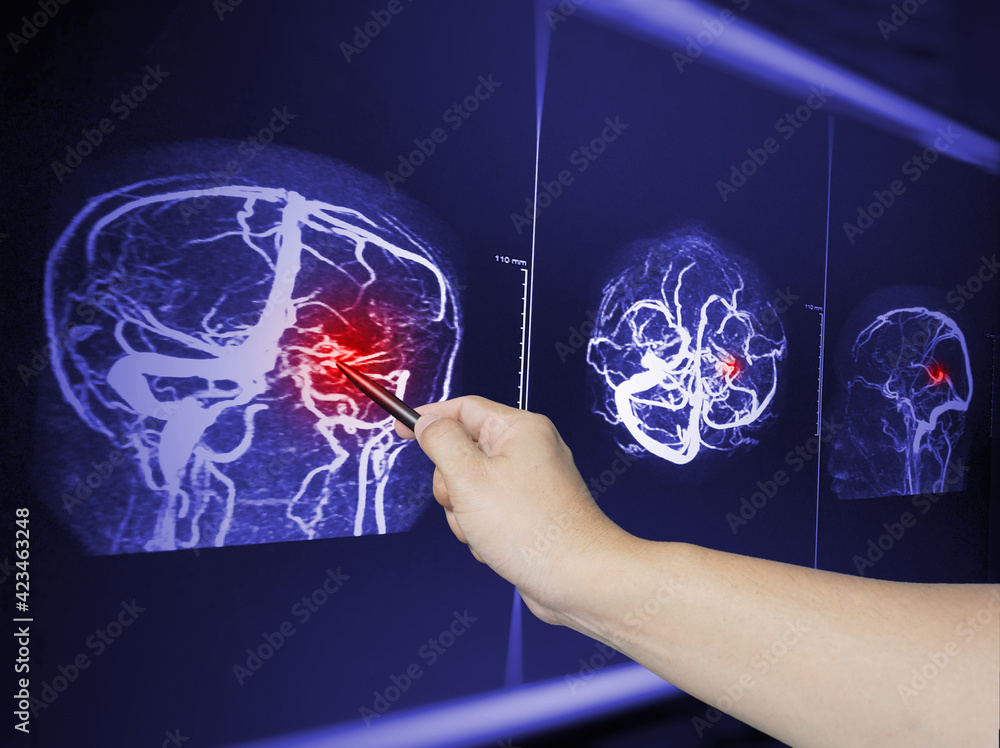
The new CBI-M (Clinical, Biomarkers, Imaging, Modifiers) framework, developed through NIH’s National Institute of Neurological Disorders and Stroke initiative, expands assessment far beyond immediate symptoms. As widely reported in May 2025, research led by Dr. Geoffrey Manley of the University of California San Francisco (UCSF) has resulted on a new clinical pillar, which retains GCS scores but adds detailed neurological assessments including amnesia presence and symptom documentation. The biomarker pillar uses blood tests to detect brain tissue damage objectively, while advanced imaging through CT and MRI scans reveals structural injuries. The modifier pillar considers pre-existing conditions, injury mechanisms, and environmental factors affecting recovery.

Both systems use clinical assessment as their foundation, but CBI-M provides multidimensional characterization where GCS offers only basic severity categories. UCSF experts note that CBI-M’s comprehensive approach can potentially reveal that some “mild” injuries are actually complex cases requiring intensive treatment.  Conversely, it may give those with a low GCS score more hope in recovery.

Importantly, NIH research indicates the CBI-M framework can benefit individuals diagnosed years ago, potentially revealing previously overlooked aspects of older injuries and leading to better-tailored treatments for chronic TBI symptoms.

2025 CDC Youth Football Safety Report

A CDC’s August 2025 report, Comparing Head Impacts in Youth Tackle and Flag Football, reiterates five key recommendations stated in 2021: expand flag football programs, reduce contact practices, enforce helmet-to-head penalties, teach proper tackling techniques, and provide comprehensive safety education. The research shows youth tackle players sustain 15 times more head impacts than flag football athletes.

These findings echo longstanding government concerns about youth football safety, that this website has noted since 2018. While the CDC’s rules remain sound, the persistence of these same conclusions suggests it may be time for more decisive action to accelerate the adoption of safer practices nationwide. (Some have recommended regulatory standards, funding incentives, or policy mandates, but others note concerns about overreach.)

Comparing Head Impacts in Youth Tackle and Flag Football (8/4/25): https://www.cdc.gov/traumatic-brain-injury/data-research/comparing-head-impacts/index.html#cdc_report_pub_study_section_2-more-efforts-needed-to-prevent-head-impacts-during-youth-football-games

Copper Oxide Promises New Recovery Hope

Scientists have discovered a promising new way to help people recover from traumatic brain injuries. Researchers created tiny scaffolds loaded with a special copper compound that showed amazing results in laboratory studies. These scaffolds helped reduce brain swelling, prevented brain cells from dying, and improved both movement and thinking abilities.

One might think copper is just copper, but there’s an important difference between regular copper metal and copper oxide. Regular copper is the shiny, reddish-brown metal you see in pennies and wires. Copper oxide is what forms when copper mixes with oxygen from the air. There are actually two types of copper oxide: one that’s reddish-brown and one that’s black. Only the black type, called copper(II) oxide, helps with brain injuries.

According to 2025 research published on the NIH website, “CuO@PG scaffolds significantly reduce neuronal pyroptosis (a form of programmed cell death), alleviate brain swelling, and improve motor and cognitive functions in animal models.” The treatment works best when given six hours after the injury.

However, copper can be a double-edged sword. While too little copper hurts the brain’s ability to heal, too much can be toxic. As NIH research explains, “copper accumulation in the brain following TBI exacerbates neuronal injury.” That’s why controlled delivery is crucial for safety.