

“Choline is critically important for brain functions,” said Dr. Ramon Velazquez of Arizona State University-Banner Neurodegenerative Disease Research Center in 2024, noting that research links it to better cognitive function and lower Alzheimer’s risk. According to a 2024 report from the Cleveland Clinic, choline is essential in “helping your brain and nervous system manage your food and memory,” through its control of the slow of methylation, “which controls how genes are turned into proteins so your cells can grow.”
As has been shown in the past decades, consumption of choline is a boon to all people. NIH-published studies, though, have also proven its specific and special benefit for those with brain injuries. According to NCBI information, the nutrient choline plays a crucial role in building cell membranes and producing acetylcholine, a neurotransmitter vital for memory and muscle control. This month, November 2025, UC Davis reported, “A new study finds the essential nutrient is 8% lower in the brains of people with generalized anxiety disorder, panic disorder and social anxiety disorder,” common emotional effects that follow a brain injury.
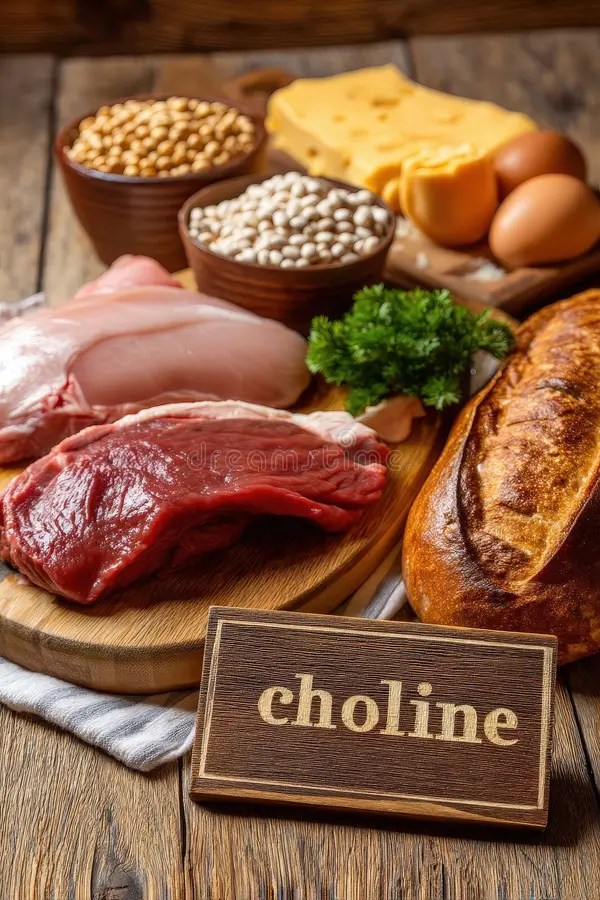
However, while studies show dietary choline supplementation can improve spatial memory, reduce brain inflammation, and preserve cortical tissue following traumatic brain injury, doctors say that most people don’t consume enough. Beyond eggs, food sources of this nutrient include beef liver, salmon, chicken, and brussel sprouts. Based solely on nutrient research, an omelet, filled with broccoli, chicken and cheese, seems to me to be a easy, tasty and choline-rich lunch choice.
(The recommended daily intake of choline, also referred to as Vitamin B4, is 550 mg daily for men and 425 mg for women. Choline supplements are also widely available, with the tolerable upper limit of 3,500 mg daily.)
 TBI on the Hill