
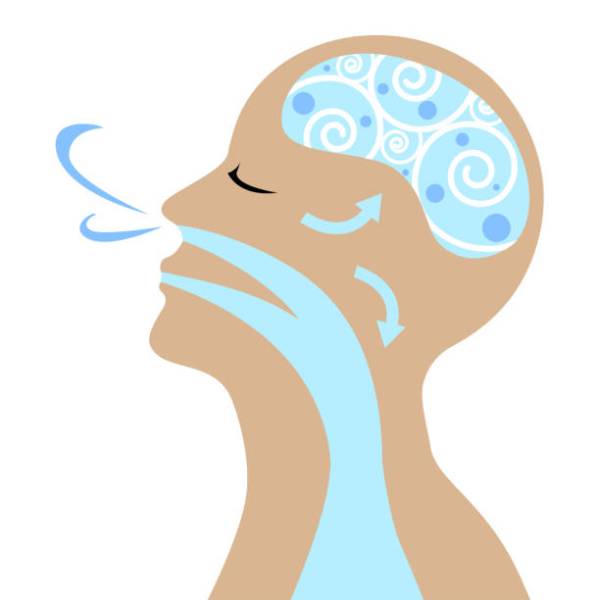
The benefit of certain foods and smells is a subject I continue to explore, as it as an easy and pleasing treatment for those with neurological issues. It is much more complex, though, for the many brain-injured who may not be able to smell these fragrant odors or who smell odors that aren’t present. Today, I delve into these surprisingly common phenomenons:
When a traumatic brain injury damages the olfactory bulb and orbitofrontal cortex—the brain’s smell-processing centers—patients can lose their sense of smell entirely, a condition called anosmia. A July 2023 study published in the NIH’s Frontiers in Neurology found these problems are surprisingly common, reporting that it affects about 10% of those with mild cases to over 40% of those with severe injuries.
For the brain injured and all those who suffer from smell conditions, there is hope, though. About 30% of patients naturally regain some smell function 6 to 12 months after the injury. For the remaining 70%, the most promising treatment for smell conditions is olfactory training, where patients sniff specific scents like rose, eucalyptus, and lemon twice daily for at least six months – smells that I have previously reported as beneficial for the brain injured. NIH studies have examined this, finding that such enhanced training protocols show significantly greater improvements.
 TBI on the Hill