
Research published in 2025 and found in the NIH database found that brain injury significantly impacts auditory function, with studies documenting outcomes ranging from normal hearing to complete deafness, with approximately 41% of cases involving sensorineural hearing loss. For those experiencing severe hearing impairment, sign language may become essential for communication.
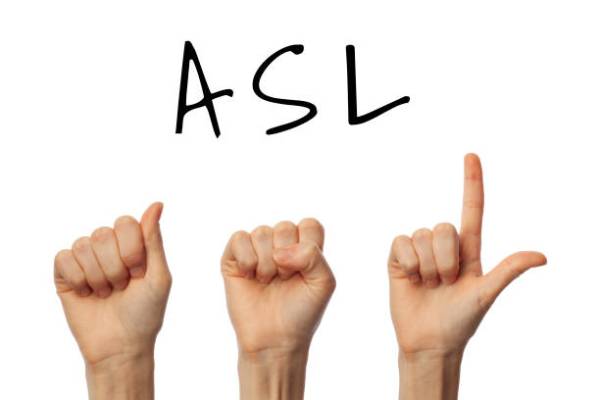
However, learning sign language presents unique challenges for brain injury survivors. Since sign language requires visual—spatial processing, motor coordination, and sustained attention—which may all be affected by a brain injury—the learning curve can be steeper.
Despite these challenges, rehabilitation specialists emphasize that it is possible with individualized instruction that accounts for specific cognitive strengths and limitations. A BBC story from last week showcases a specific success story, quoting a patient, “Learning BSL has helped me say words that I cannot speak.”
(Note: Early intervention and patient-centered approaches maximize recovery outcomes.)
 TBI on the Hill