
Creatine is experiencing unprecedented attention in 2025, with sales surging 120% year-over-year according to recent industry reports. This supplement, traditionally associated with muscle building, is now gaining recognition for brain health benefits backed by current research published in NIH databases, military sites, and public universities.
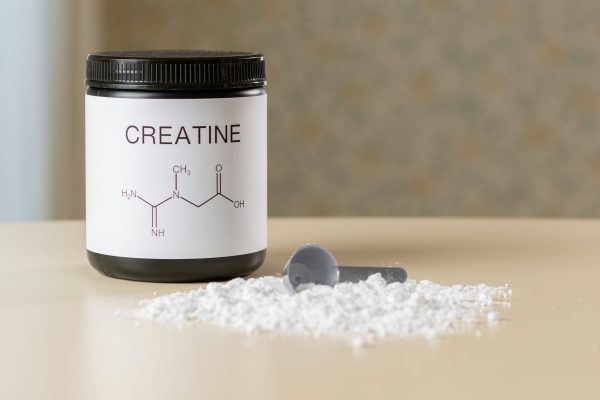
For everyone, creatine enhances brain energy metabolism. A 2024 NIH meta-analysis of 16 studies found supplementation improves memory, attention, and information processing speed in adults. (Dosage depends on patient’s weight and other personal aspects, so it should be calculated with the aid of a medical professional.) The brain consumes 20% of the body’s energy, and creatine helps maintain ATP levels during demanding cognitive tasks, as reported to such sources as NCBI, which is part of the NIH, and in a May 25, 2025 article in Men’s Health.
For brain-injured individuals, benefits are more pronounced. Military research from July 2025 shows creatine may improve mild TBI outcomes, According to a TIME article, published on September 2, 2025, Matthew Taylor from University of Kansas Medical Center notes the supplement shows brain-boosting potential. Even NIH-published studies from almost 20 years ago, 2006-2008, demonstrate significant improvements in pediatric traumatic brain injury recovery from creatine, including reduction of ICU stays and enhanced cognitive function.
“We’re seeing a lot of other applications for creatine now in terms of its role with certain neurodegenerative diseases, its role in brain health, and potentially both a prophylactic and treatment role for [traumatic brain injury] and concussion,” says Shawn Arent, PhD, chair of the department of exercise science at the University of South Carolina.
INFORMATION PAPER ON CREATINE AND TRAUMATIC BRAIN INJURY, Traumatic Brain Injury Center of Excellence, July 2025 – https://health.mil/Reference-Center/Publications/2025/09/25/TBICoE-Information-Paper-on-Creatine-and-TBI
 TBI on the Hill