
Mosquitoes present their greatest threat during summer and fall months, with peak activity from July through October between dusk and dawn. The southeastern United States, Great Lakes region, and areas near freshwater wetlands face the highest risks from mosquito-borne diseases like West Nile Virus and Eastern Equine Encephalitis, but all regions of the United States are at risk.
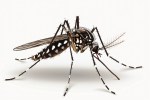
Growing up, the majority of the mosquito bites I was subject to occurred on the school playground. As school begins, it should be noted that children face unique vulnerabilities to certain mosquito-borne illnesses. Eastern Equine Encephalitis proves most severe in infants, while La Crosse encephalitis primarily affects children under 16. The CDC reports that as of September 2, 2025, there were 577 total West Nile cases nationally, with 356 being neuroinvasive cases affecting the brain and nervous system. (Note that these statistics are somewhat deceptive, as only 37 states reported numbers to the CDC.)
The dramatic shift in children’s outdoor time creates a complex scenario. Today’s children spend an average of only 30 minutes daily in unstructured outdoor play compared to over seven hours with electronic screens. This reduction paradoxically offers some protection from mosquito exposure while potentially leaving children less experienced with prevention strategies when they do venture outdoors. Additionally, I have previously discussed how it has been proven that this lack of in-person human interaction can have its own negative neurological effects.

Despite technological advances, school prevention education to address this risk remains largely unchanged from decades past. Students still learn to wear protective clothing, use EPA-approved repellents containing DEET or picaridin, and eliminate standing water breeding sites. Recent developments include updated repellent formulations and expanded surveillance systems, but fundamental prevention strategies have remained constant.
It has been surmised by some that climate change has extended mosquito seasons in over two-thirds of U.S. locations studied, making year-round vigilance increasingly necessary for protecting public health.
 TBI on the Hill