
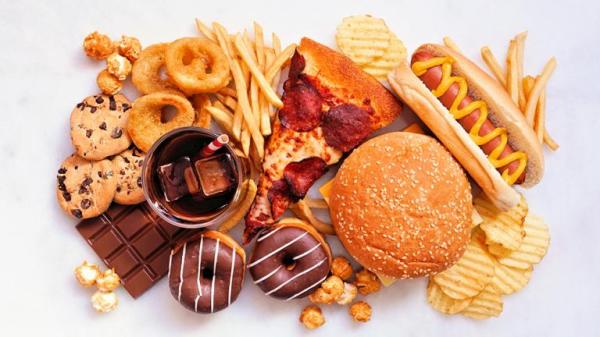
Ultra-processed foods (UPFs), industrially manufactured products containing ingredients rarely used in home kitchens, such as emulsifiers, artificial colors, flavors, preservatives, and stabilizers, has been at the forefront of the federal Department of Health and Human Services in 2025. These foods undergo extensive processing and include products such as packaged snacks, frozen meals, sodas, processed meats, hot dogs, chips, candy, ice cream, instant noodles, ready-to-eat cereals, packaged baked goods, and more.
Health experts and the federal government have been particularly concerned about UPFs’ impact on brain injury, related to both tbi recovery and stroke risk, for years. According to research, a 10% increase in UPF intake raises cognitive impairment risk by 16% and stroke risk by 8-15%. Not only do UPFs not “trigger our normal satiety” but an 10% increase in UPF intake raises cognitive impairment risk by 16% and stroke risk by 8-15%. Research shows higher UPF consumption was associated with a 28% faster rate of cognitive decline and 25% faster executive function decline. They can also negatively impact recovery by disrupting the brain’s ability to heal and create new neural pathways. As they increase inflammation and impair recovery, all brain injury patients are advised to avoid these foods.
The Trump administration has worked to create the first federal definition of ultra-processed foods through a joint request for information from the Agriculture Department, Health and Human Services, and FDA. HHS Secretary Robert F. Kennedy Jr. has made UPFs central to his “Make America Healthy Again” movement, calling them harmful to public health and advocating for reduced consumption through education campaigns. In July 23, 2025, the FDA, in conjunction with the USDA and HHS, released a report stating, “Dozens of scientific studies have found links between the consumption of foods often considered ultra-processed with numerous adverse health outcomes, including… neurological disorders.”
Democrats generally haven’t contradicted these positions on UPFs. For example, in January 2025, California Governor Newsom issued an executive order to crack down on ultra-processed foods, demonstrating bipartisan concern about these products.
(Criticism of MAHA tends to focus on implementation approaches rather than the underlying goal of reducing UPF consumption, showing shared recognition of the importance of nutrition policy for brain health and stroke prevention.)
 TBI on the Hill