
Scientists have discovered a promising new way to help people recover from traumatic brain injuries. Researchers created tiny scaffolds loaded with a special copper compound that showed amazing results in laboratory studies. These scaffolds helped reduce brain swelling, prevented brain cells from dying, and improved both movement and thinking abilities.
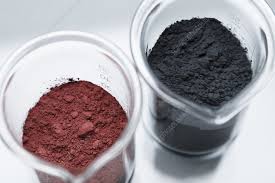
One might think copper is just copper, but there’s an important difference between regular copper metal and copper oxide. Regular copper is the shiny, reddish-brown metal you see in pennies and wires. Copper oxide is what forms when copper mixes with oxygen from the air. There are actually two types of copper oxide: one that’s reddish-brown and one that’s black. Only the black type, called copper(II) oxide, helps with brain injuries.
According to 2025 research published on the NIH website, “CuO@PG scaffolds significantly reduce neuronal pyroptosis (a form of programmed cell death), alleviate brain swelling, and improve motor and cognitive functions in animal models.” The treatment works best when given six hours after the injury.
However, copper can be a double-edged sword. While too little copper hurts the brain’s ability to heal, too much can be toxic. As NIH research explains, “copper accumulation in the brain following TBI exacerbates neuronal injury.” That’s why controlled delivery is crucial for safety.
 TBI on the Hill