
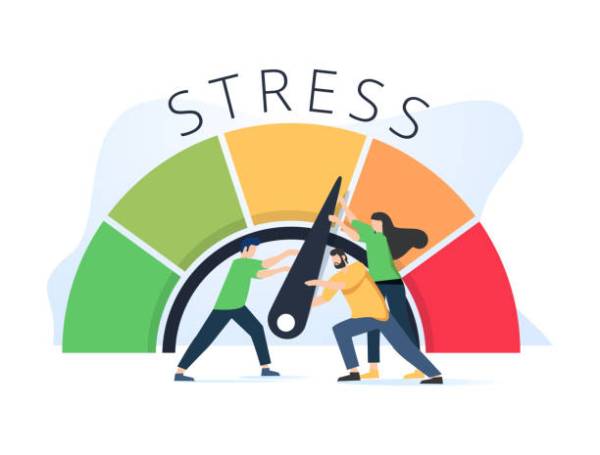
“Early-life stress* changes more genes in brain than a head injury,” posted The Ohio State University just this past weekend. This headline captured my interest and required me to research more. Ultimately, I found the claim to be both true and in need of clarification. Below I discuss research that further explains the findings:
The Ohio State University conducted an animal study with young rats, separating them into four different categories: stress alone, head injury alone, stress combined with head injury and neither stress nor head injury. Without getting into the intricacies of the study, the key seems to relate to errant signaling of oxytocin. (According to the National Institute of Health, oxytocin is a hormone that is related to maternal behavior and social bonding.) Stress and stress combined with head injury resulted in maladaptivity, but head injury alone did not have this effect. The result of this maladaptive signaling resulted in young rats being less risk avert, specifically because they voyaged out without companion rats, which they consider a negative. Depending on the level of risk, I see this as a positive, as humans, particularly younger people, are told to “face their fears.”
In 2022, the NIH submitted a report that stated the obvious: “Taken together it is apparent that stress appraisal and physiology both prior to and after traumatic brain injuries are key predictors of short- and long-term outcomes.” In another 2022 NIH study, it was found that, “stress often aggravates oxidative stress, reduces brain antioxidant** capacity… thus, antioxidant drugs can significantly reduce oxidative stress caused by stress and significantly improve brain injuries and diseases.” A Department of Health & Human Survives webpage, though, references the findings of other government studies that seem to contradict this. They acknowledge that, “not all stress is bad.” All studies consider long-term stress to be negative and the page is not specifically related to stress AND brain injury, but the results seem to be relevant to all people.
The similarities, and differences, of brain injury and stress are interesting findings, as I believe the link is already perceived by those affected. One thing that I don’t think the researchers have specifically addressed in their animal studies is that in humans, it’s almost impossible to have a life without any stress, with or without a head injury.
*Early-life stress (ELS) includes: loss of caregiver attachment: divorce/separation, foster care, parental incarceration, lack of attention, racism, separation from parents, exposure to violence: physical, mental and sexual abuse, substance abuse, being over-scheduled, feeling pressured to perform or behave beyond their ability, neglect: emotional and physical neglect, meeting new people, starting a new school, death of a loved one, illness: mental and physical, difficulty with school work, increased pressure/responsibility at home, being bullied (Wikipedia)
** https://www.nccih.nih.gov/health/antioxidant-supplements-what-you-need-to-know
 TBI on the Hill